
Origins
123 teas from 30 countries and 94 growing regions, from the Himalayan foothills to the Cape fynbos. Hover a country to see what grows there.Tap a country to see what grows there.
Or tap a dot on the map.
East Asia
China, Japan, Taiwan, South Korea · 67 teas China
Tea's homeland. China makes every type, green, white, yellow, oolong, black and dark, and still produces more tea than any other country.
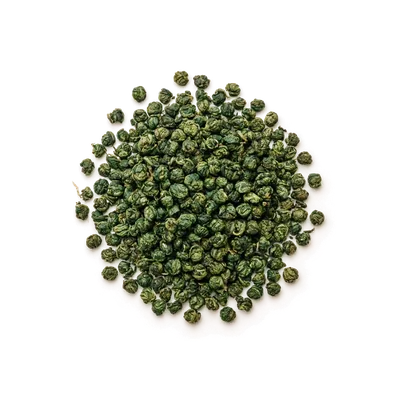 TieguanyinAnxi · OolongHarvest: Spring (April to May) and autumn (September to October)
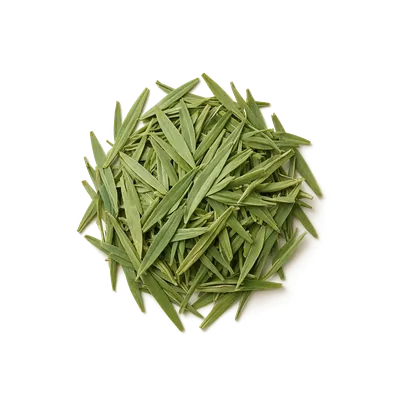 Longjing (Dragon Well)West Lake, Hangzhou · GreenHarvest: Late March to April
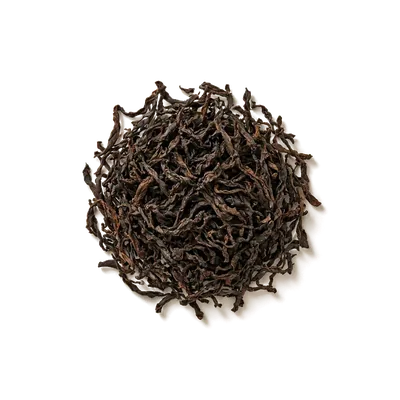 Da Hong PaoWuyi Mountains · OolongHarvest: Late April to May
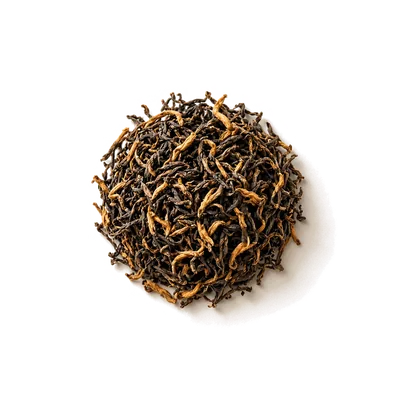 Dian HongFengqing · BlackHarvest: March to April (spring), also summer and autumn
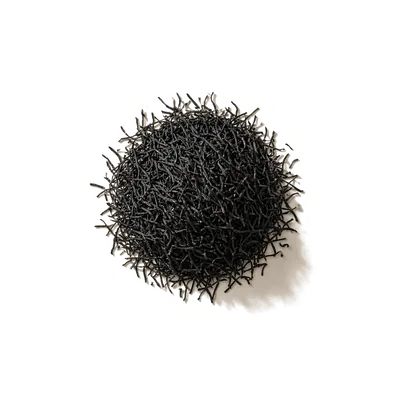 KeemunQimen · BlackHarvest: April to May (spring)
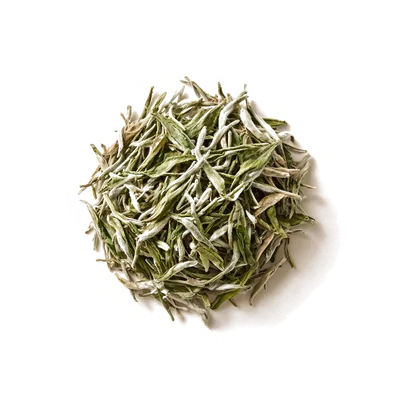 Bai Mu Dan (White Peony)Fuding · WhiteHarvest: Spring
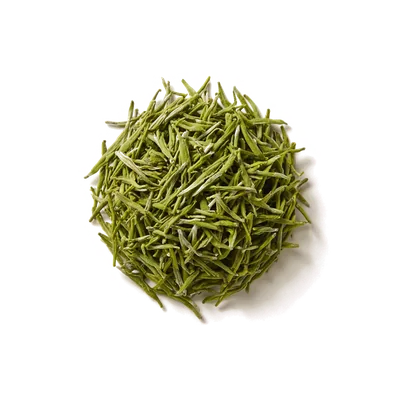 Huangshan Mao FengHuangshan · GreenHarvest: Late March to April
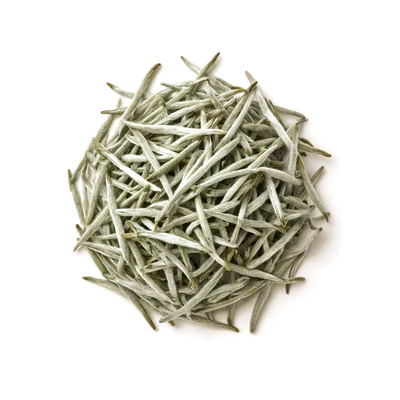 Silver NeedleFuding · WhiteHarvest: March to early April
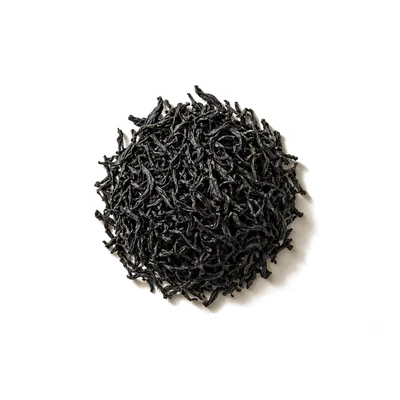 Lapsang SouchongTongmu, Wuyi · BlackHarvest: Late April to June
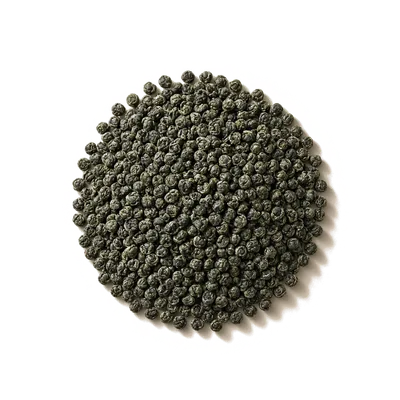 Gunpowder GreenZhejiang · GreenHarvest: Spring to summer
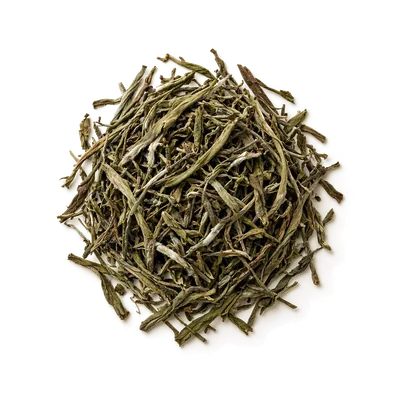 Sheng Pu-erhXishuangbanna · Pu-erh & darkHarvest: Spring (March to April), also summer and autumn
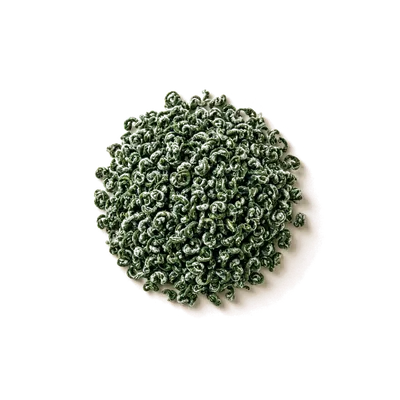 Bi Luo ChunDongting Mountains, Suzhou · GreenHarvest: March to early April
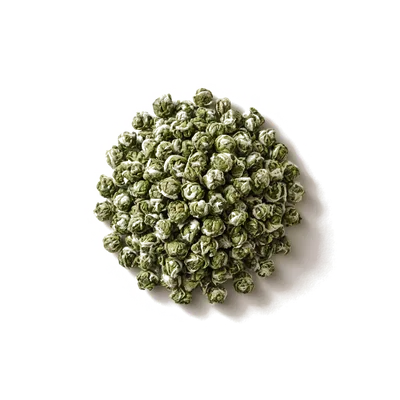 Jasmine PearlFuzhou · GreenHarvest: Spring leaf, scented in summer
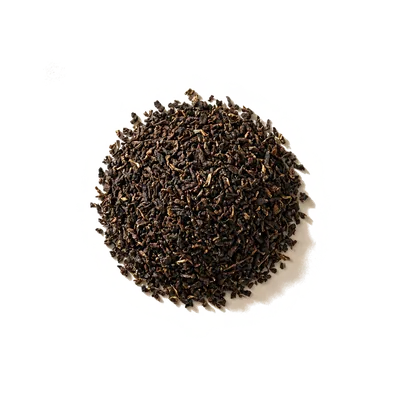 Shou (Ripe) Pu'erXishuangbanna · Pu-erh & darkHarvest: Spring to autumn leaf, ripened for months
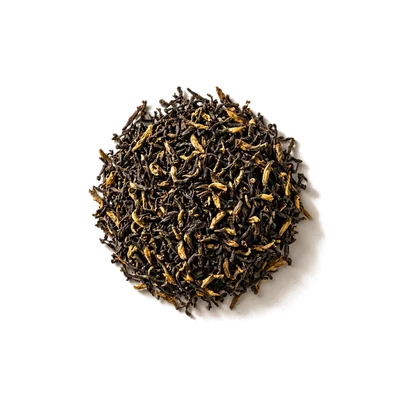 Golden MonkeyYunnan · BlackHarvest: Spring
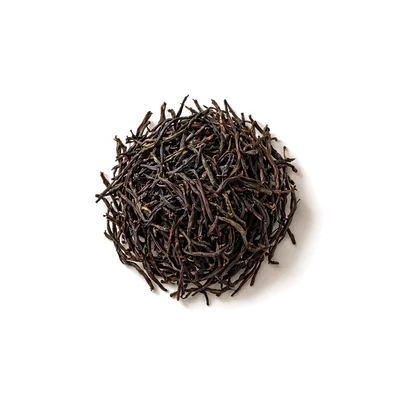 Phoenix Dan CongPhoenix Mountain, Chaozhou · OolongHarvest: Spring
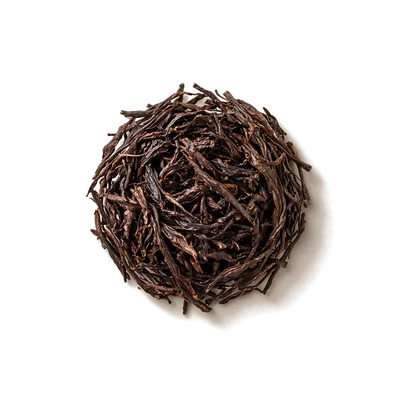 Rou GuiWuyi Mountains · OolongHarvest: Spring
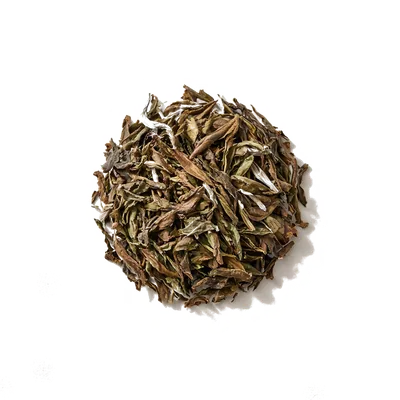 Shou MeiFuding · WhiteHarvest: Late spring
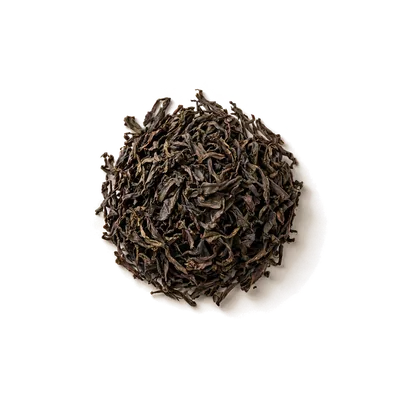 Shui XianWuyi Mountains · OolongHarvest: Spring
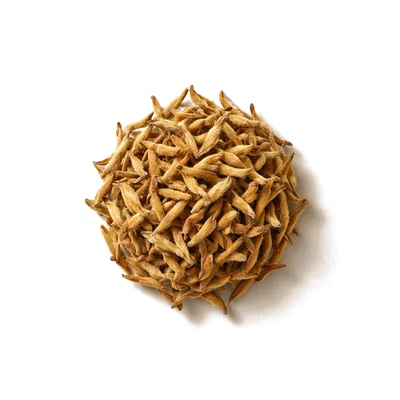 Yunnan GoldFengqing · BlackHarvest: Spring
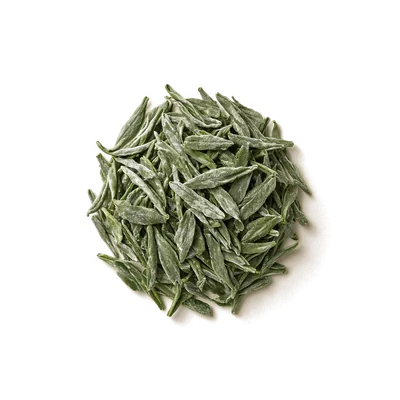 Lu An Gua PianLu'an · GreenHarvest: Spring
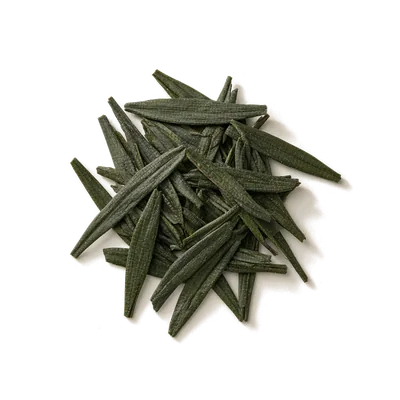 Tai Ping Hou KuiHuangshan · GreenHarvest: Spring (April to May)
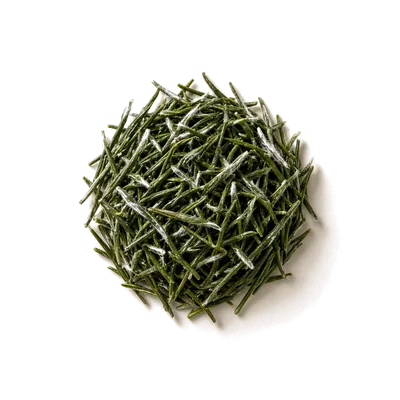 Xinyang MaojianXinyang · GreenHarvest: Spring
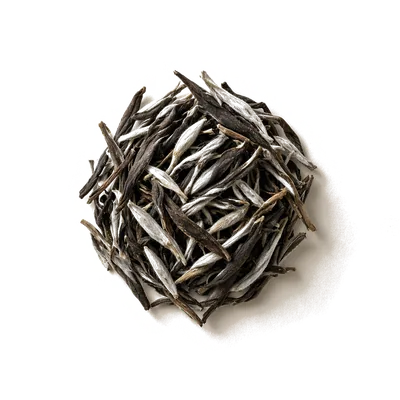 Yunnan Moonlight WhiteSouthwest Yunnan · WhiteHarvest: Spring
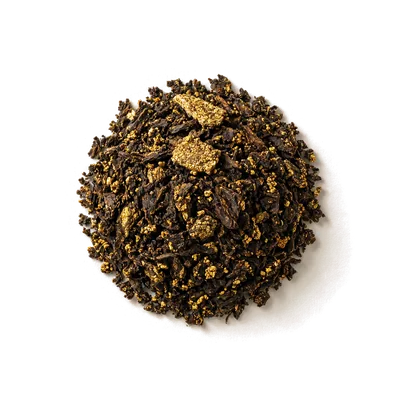 Fu Zhuan BrickAnhua · Pu-erh & darkHarvest: Spring to autumn
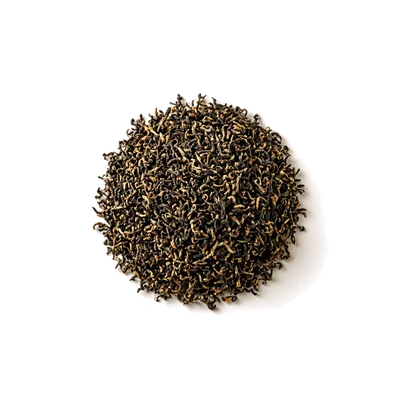 Jin Jun MeiTongmu, Wuyi · BlackHarvest: Early spring, April
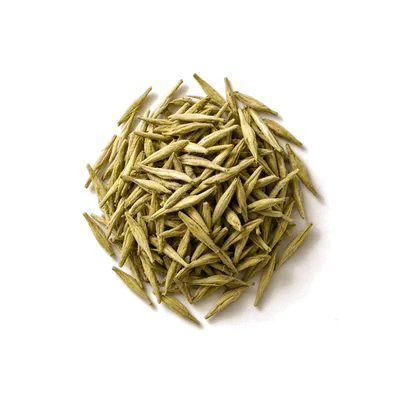 Junshan YinzhenJunshan Island · YellowHarvest: Early spring
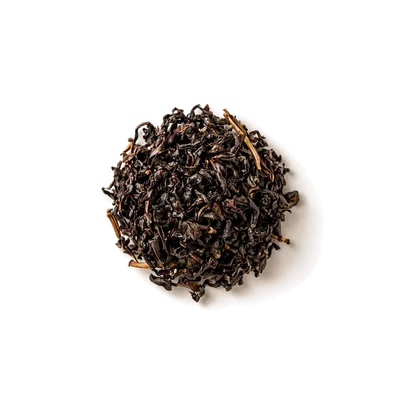 Liu BaoCangwu, Wuzhou · Pu-erh & darkHarvest: Spring to autumn
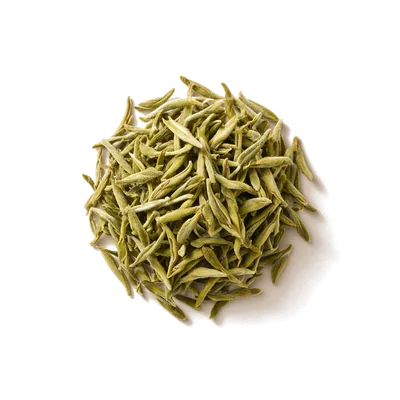 Huoshan HuangyaHuoshan · YellowHarvest: Early April
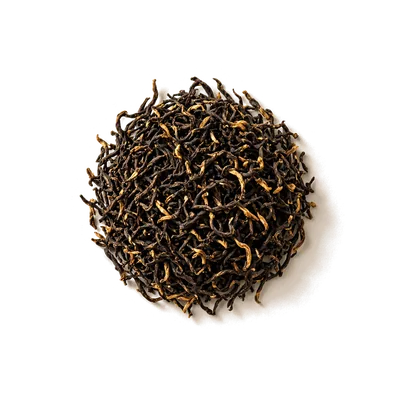 Yingde BlackYingde, Qingyuan · BlackHarvest: Spring to autumn
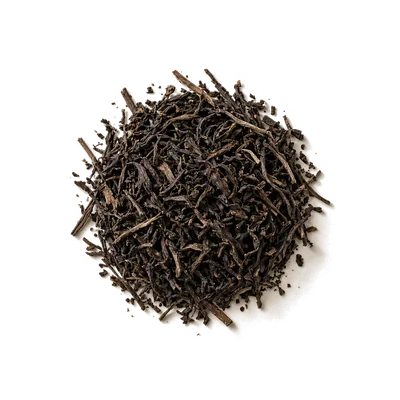 Anhua Dark TeaAnhua · Pu-erh & darkHarvest: Spring to autumn
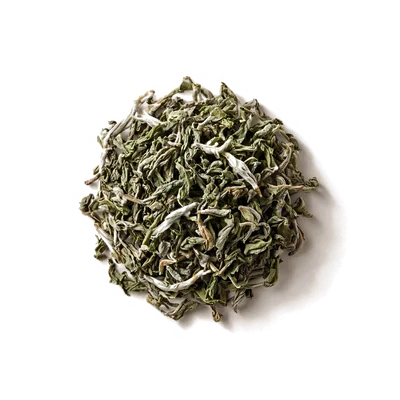 Gong MeiVarious regions · WhiteHarvest: Spring
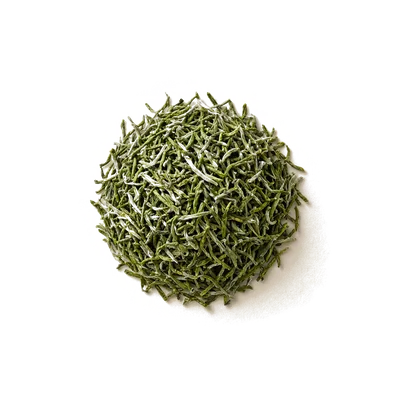 Lu Shan Yun WuMount Lu, Jiujiang · GreenHarvest: Spring
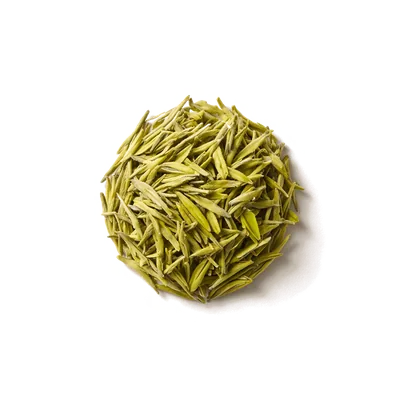 Meng Ding Huang YaMeng Shan, Ya'an · YellowHarvest: Early spring
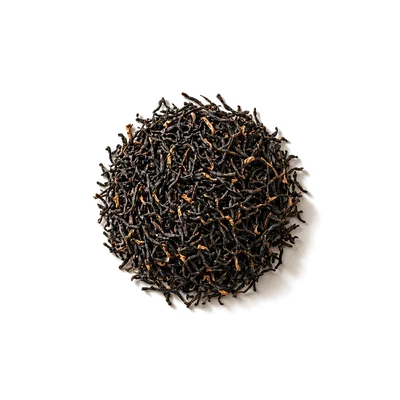 Tanyang GongfuTanyang, Fu'an · BlackHarvest: Spring
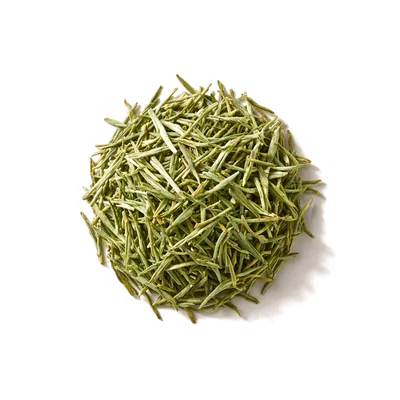 Anji Bai ChaAnji · GreenHarvest: Early spring
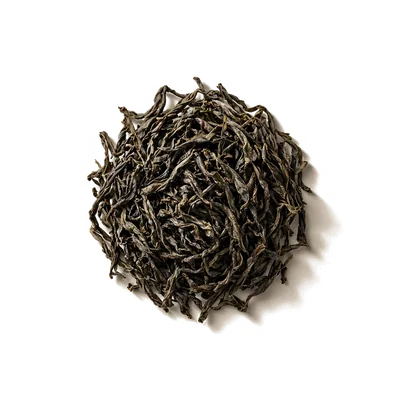 Shui Jin GuiWuyi Mountains · OolongHarvest: Spring
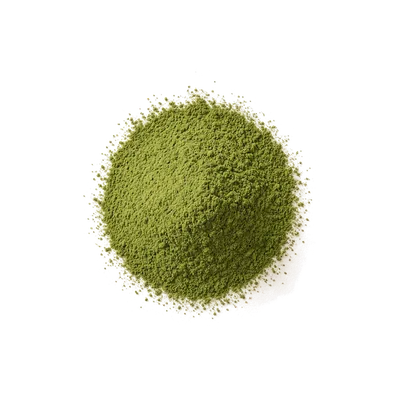 Guizhou MatchaGuizhou · GreenHarvest: Spring
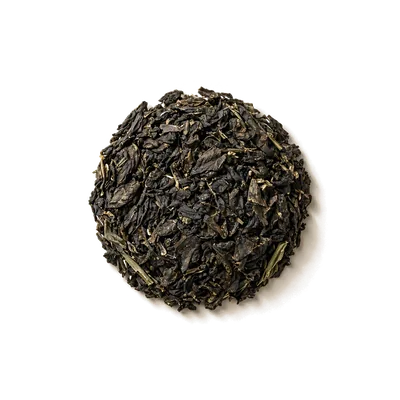 Liu An Basket TeaLu'an · Pu-erh & darkHarvest: Spring leaf, aged
 Japan
Japanese tea is almost all green and mostly steamed, from everyday sencha to shaded gyokuro and the stone-ground matcha of the tea ceremony.
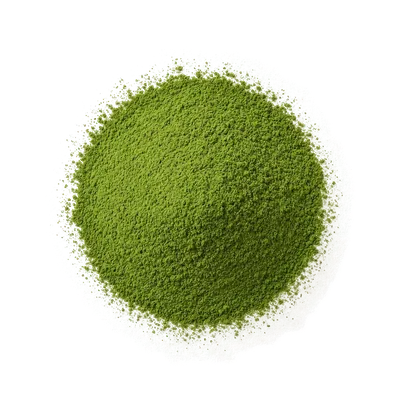 Uji MatchaUji · GreenHarvest: May (first flush)
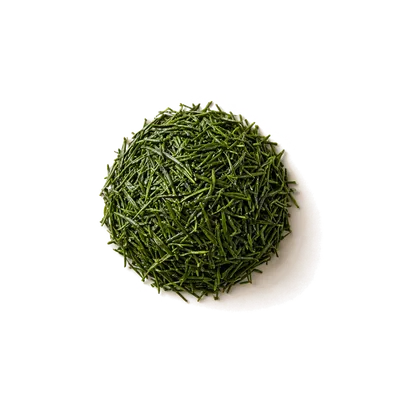 SenchaShizuoka · GreenHarvest: Late April to May (first flush)
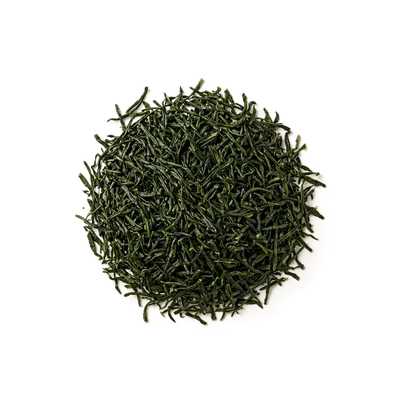 GyokuroYame · GreenHarvest: Late April to May
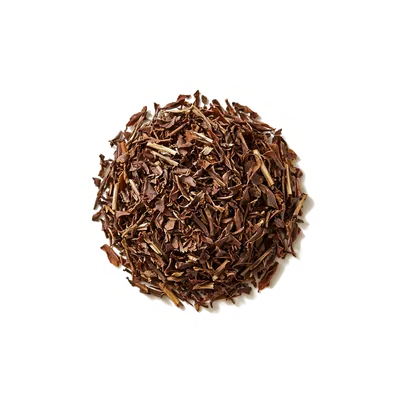 HojichaUji · GreenHarvest: Made from later-season leaf
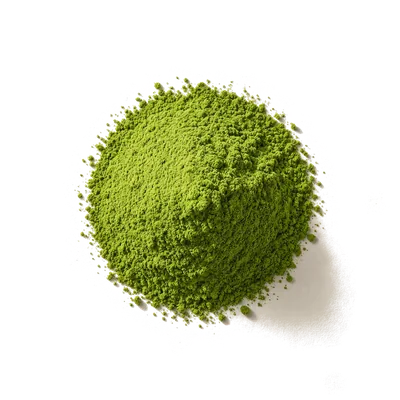 Nishio MatchaNishio · GreenHarvest: May (first flush)
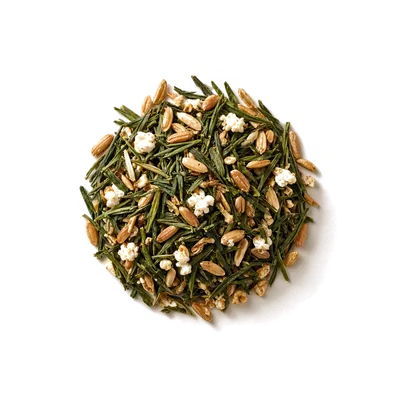 GenmaichaShizuoka · GreenHarvest: Blended all year
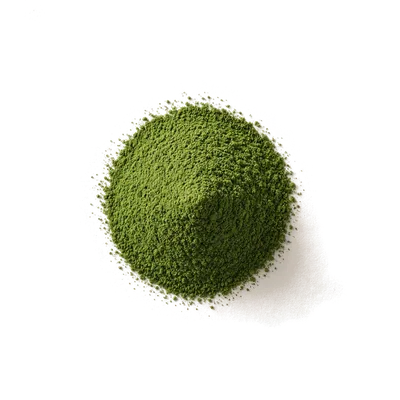 Shizuoka MatchaShizuoka · GreenHarvest: May (first flush)
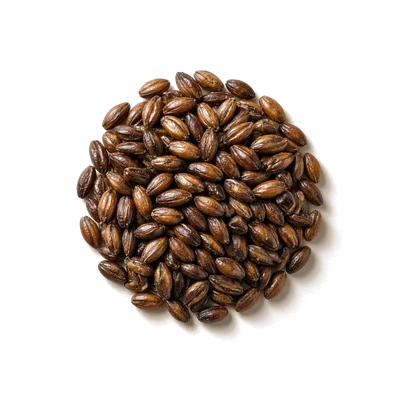 Mugicha (Barley Tea)Kanto · HerbalHarvest: Barley, early summer
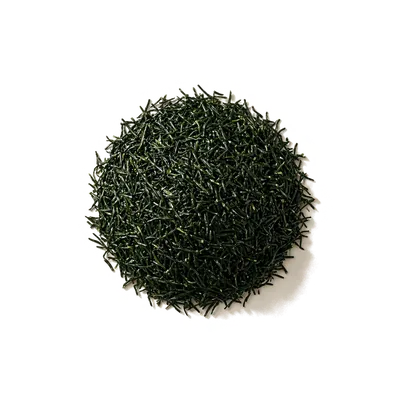 KabusechaMie · GreenHarvest: First flush, late April to May
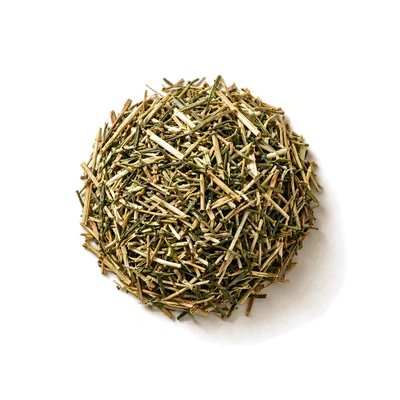 Kukicha (Twig Tea)Shizuoka · GreenHarvest: Spring and summer, with sencha
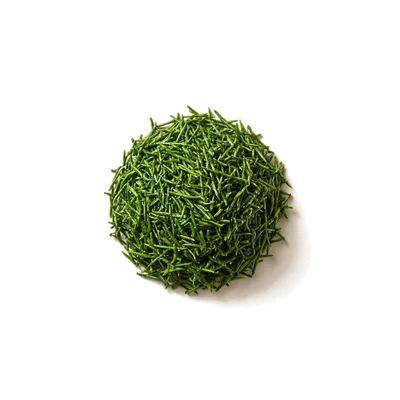 ShinchaKagoshima · GreenHarvest: Early April to late May
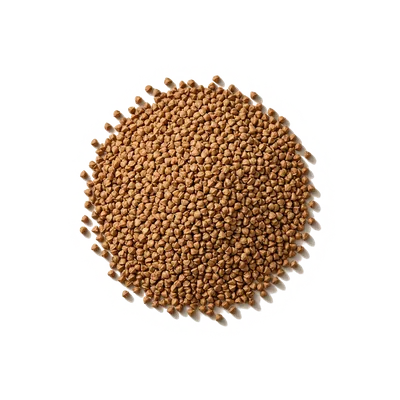 Sobacha (Buckwheat Tea)Various regions · HerbalHarvest: Buckwheat harvest
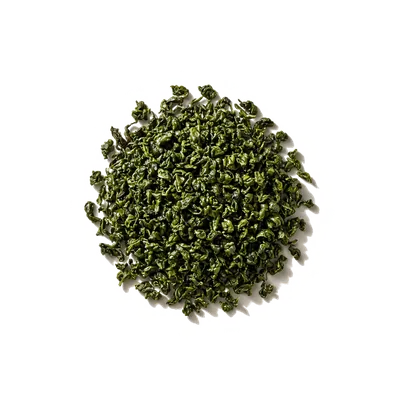 Tamaryokucha (Guricha)Ureshino, Saga · GreenHarvest: Spring
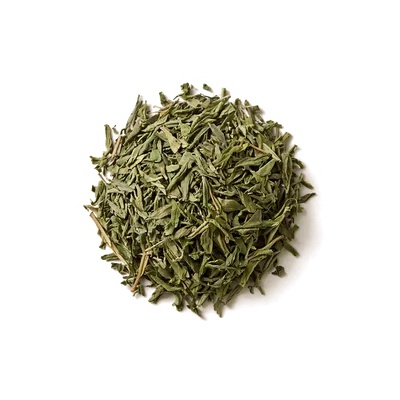 BanchaShizuoka · GreenHarvest: Summer to autumn
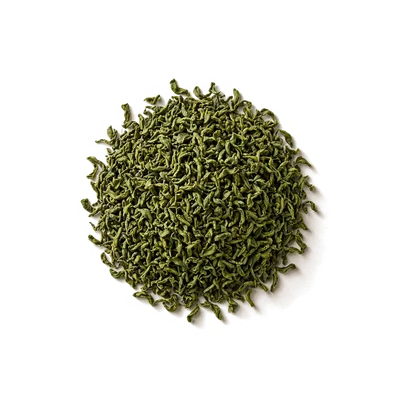 KamairichaUreshino, Saga · GreenHarvest: Spring
 Taiwan
A small island famous for oolong: rolled high-mountain teas, roasted Dong Ding and the bug-bitten Oriental Beauty.
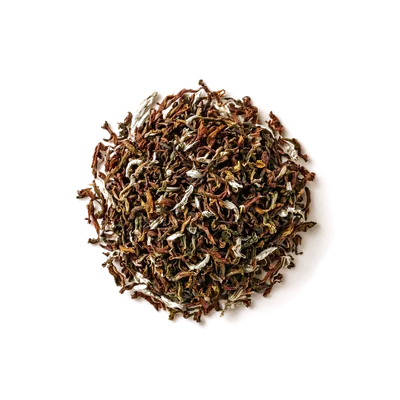 Oriental BeautyHsinchu · OolongHarvest: Early summer, June to July
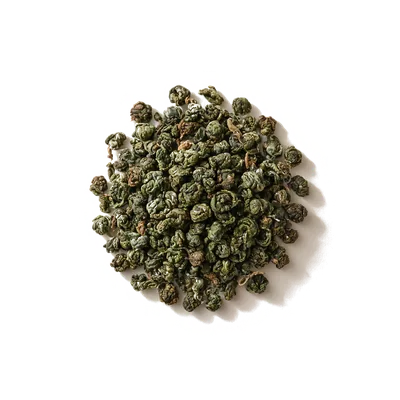 Dong Ding OolongLugu, Nantou · OolongHarvest: Spring and winter
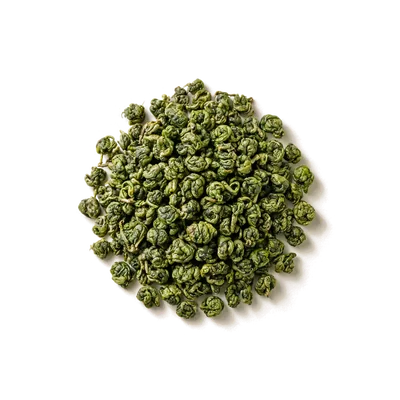 Alishan High MountainAlishan, Chiayi · OolongHarvest: Spring (mid-year) and winter (late October)
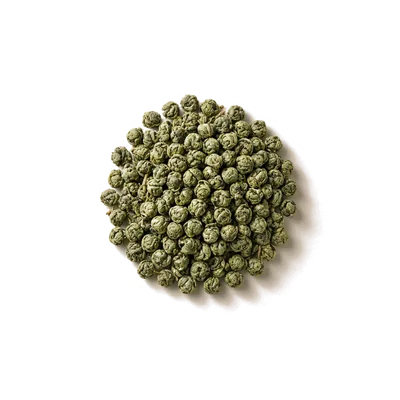 Jin Xuan (Milk Oolong)Alishan, Chiayi · OolongHarvest: Spring and winter
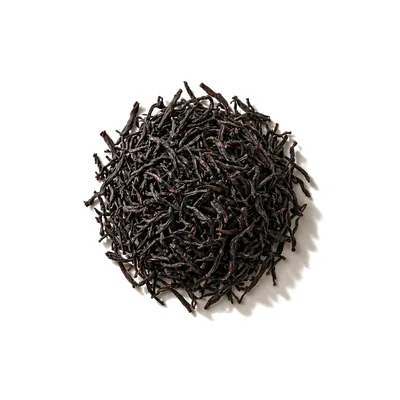 Taiwan Ruby 18Sun Moon Lake · BlackHarvest: Summer to autumn
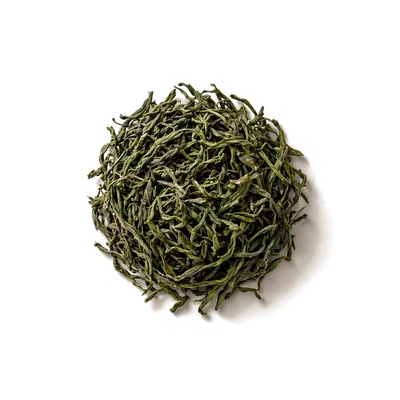 Baozhong (Wenshan)Pinglin · OolongHarvest: Spring, from late March
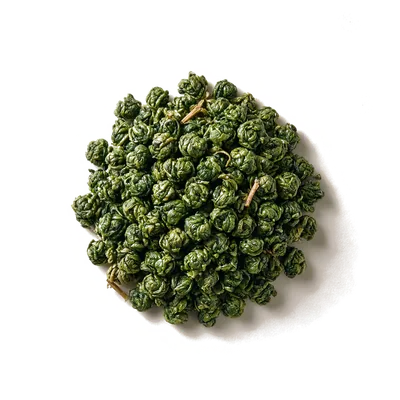 Li Shan OolongLishan, Taichung · OolongHarvest: Spring (mid-year) and winter
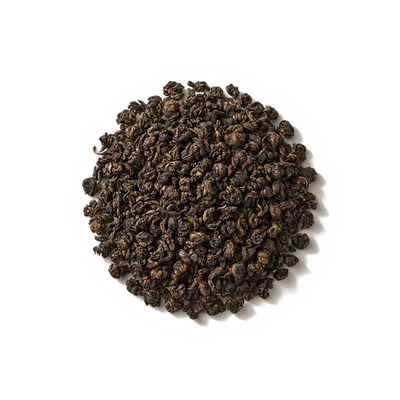 Muzha TieguanyinMuzha, Taipei · OolongHarvest: Spring and winter
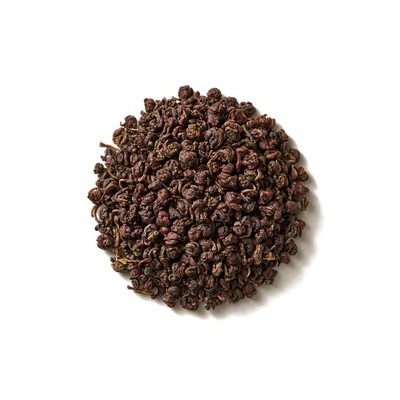 Taitung Red OolongLuye, Taitung · OolongHarvest: Summer and autumn
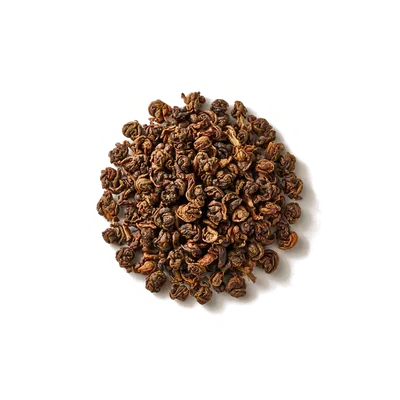 GABA OolongVarious regions · OolongHarvest: Spring and winter
 South Korea
Korean green tea, nokcha, comes mainly from Boseong in the south-west, Hadong and the island of Jeju.
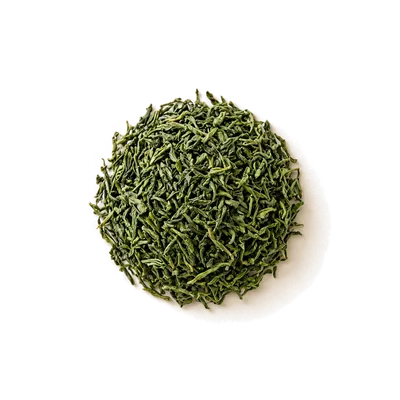 Korean SejakBoseong · GreenHarvest: Late April to early May
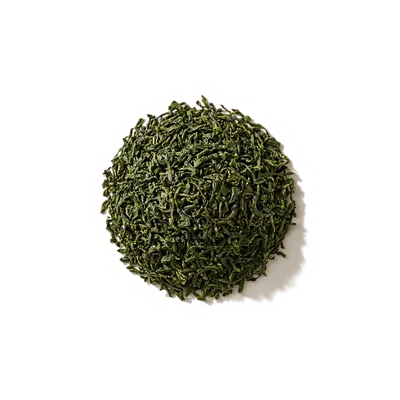 Jeju GreenJeju Island · GreenHarvest: Spring
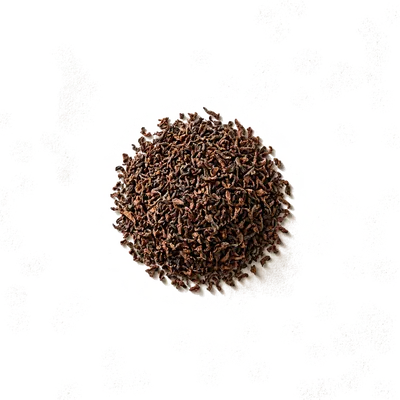 Korean BalhyochaHadong · OolongHarvest: Spring
South-East Asia
Vietnam, Indonesia, Thailand · 4 teas Vietnam
 is among the world's larger tea producers. Thai Nguyen province in the north is famous for its small, twisted green tea.
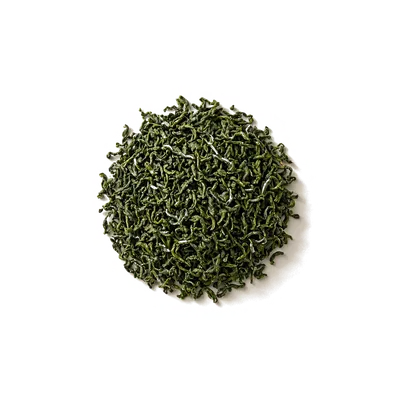 Thai Nguyen GreenThai Nguyen · GreenHarvest: Spring to autumn
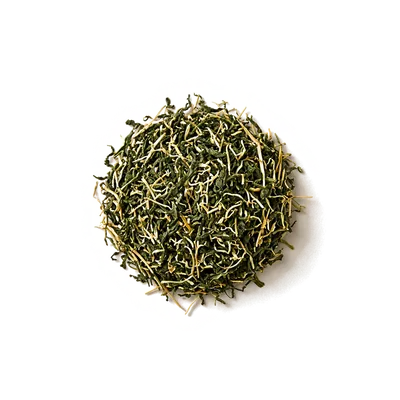 Vietnamese Lotus TeaWest Lake, Hanoi · GreenHarvest: Lotus season, summer
 Indonesia
 was the world's eighth-largest tea producer in 2023, mostly of black tea. About two-thirds of it comes from West Java, where trial plantings began in the 1820s.
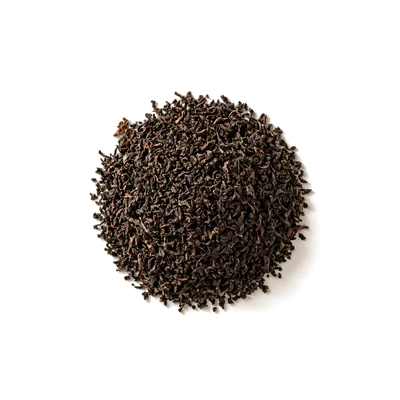 Java BlackWest Java · BlackHarvest: All year
 Thailand
Butterfly pea flower tea, blue and colour-changing, is a traditional drink in Thailand and across South-East Asia.
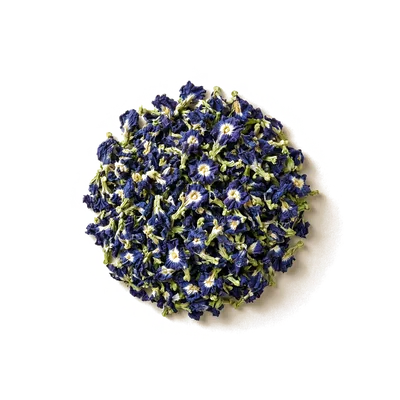 Butterfly Pea FlowerVarious regions · HerbalHarvest: Year-round
South Asia
India, Sri Lanka, Nepal, Bangladesh · 23 teas India
India grows about a fifth of the world's tea, from the malty lowland Assam valley to the misty Himalayan gardens of Darjeeling and the Nilgiri hills in the south.
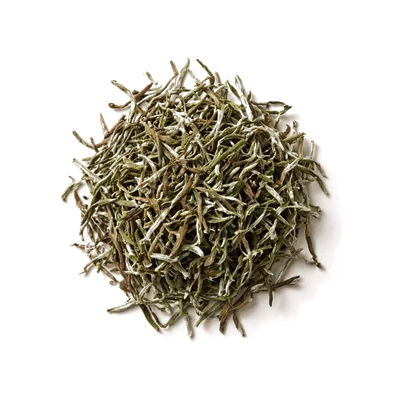 Darjeeling First FlushDarjeeling · BlackHarvest: March to April
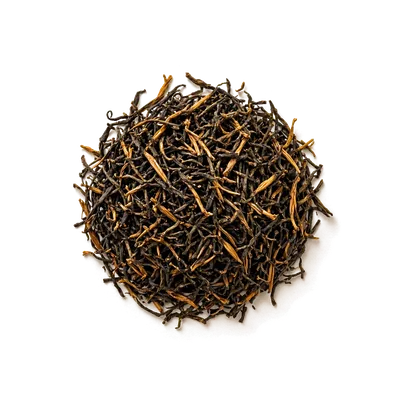 AssamAssam · BlackHarvest: March to November, second flush May to June
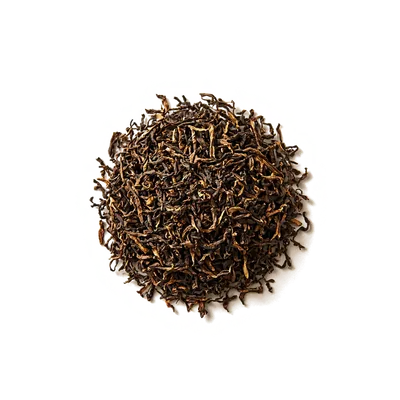 Darjeeling Second FlushDarjeeling · BlackHarvest: May to June
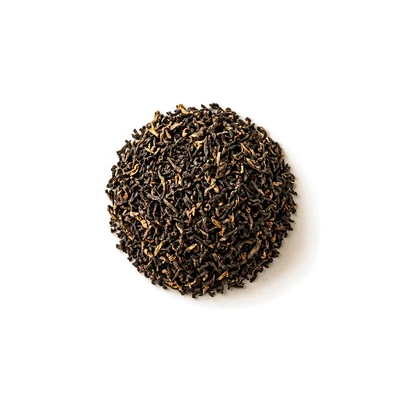 NilgiriNilgiris · BlackHarvest: All year, best December to March
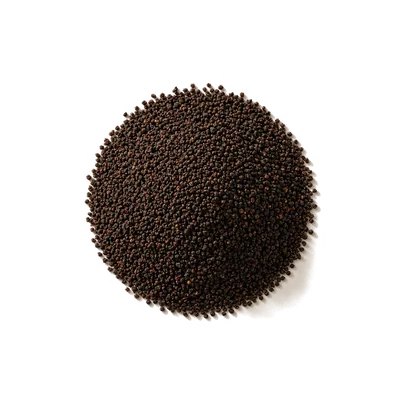 Assam CTCAssam · BlackHarvest: March to November
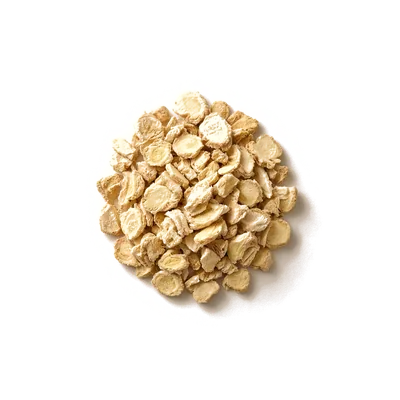 Ginger TeaKerala · HerbalHarvest: Year-round
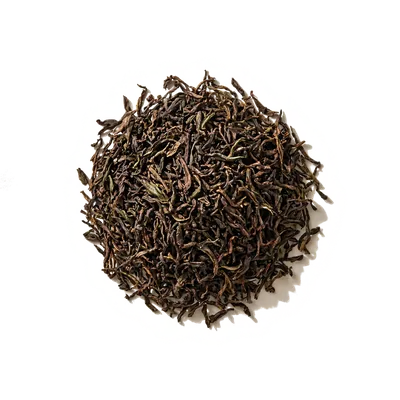 Darjeeling Autumn FlushDarjeeling · BlackHarvest: October to November
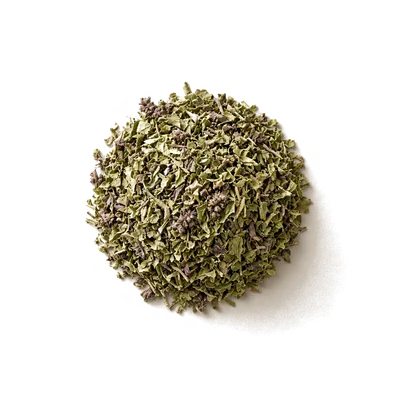 Tulsi (Holy Basil)Uttar Pradesh · HerbalHarvest: Year-round
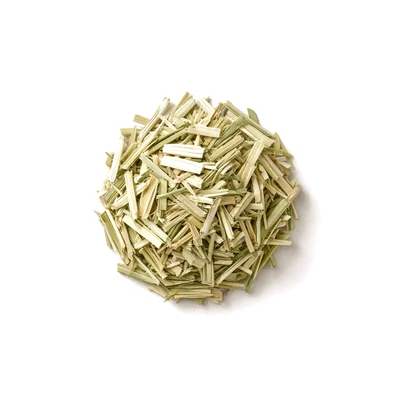 LemongrassKerala · HerbalHarvest: Year-round
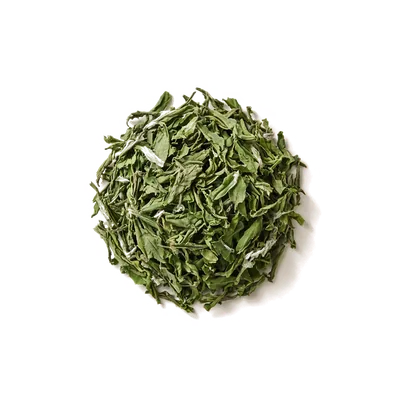 Darjeeling GreenDarjeeling · GreenHarvest: March to April (first flush)
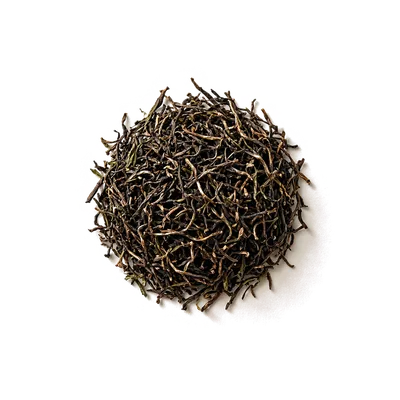 Sikkim TemiTemi, Namchi · BlackHarvest: Spring to autumn flushes
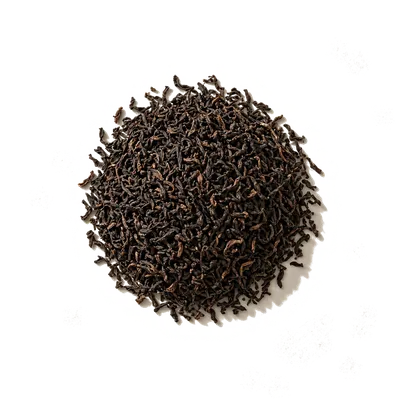 Kangra BlackKangra · BlackHarvest: Spring to autumn
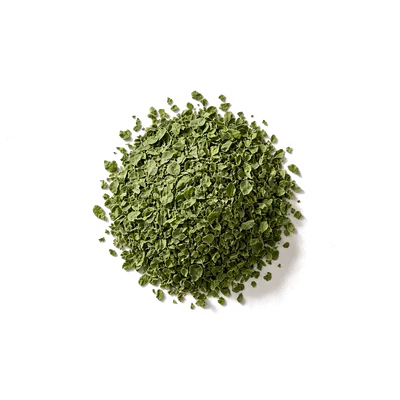 Moringa TeaTamil Nadu · HerbalHarvest: Leaves picked often, as often as every 2 weeks
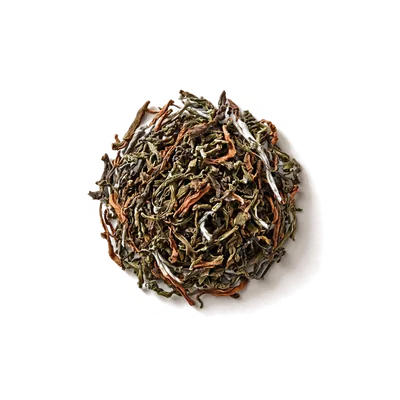 Darjeeling OolongDarjeeling · OolongHarvest: March to November
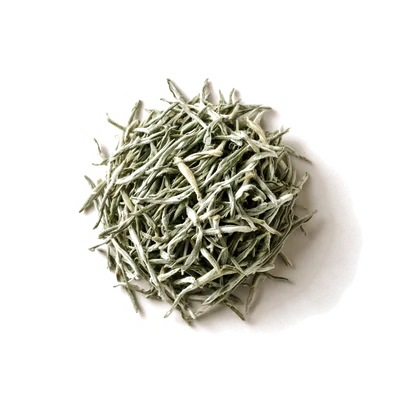 Darjeeling WhiteDarjeeling · WhiteHarvest: Spring (first flush)
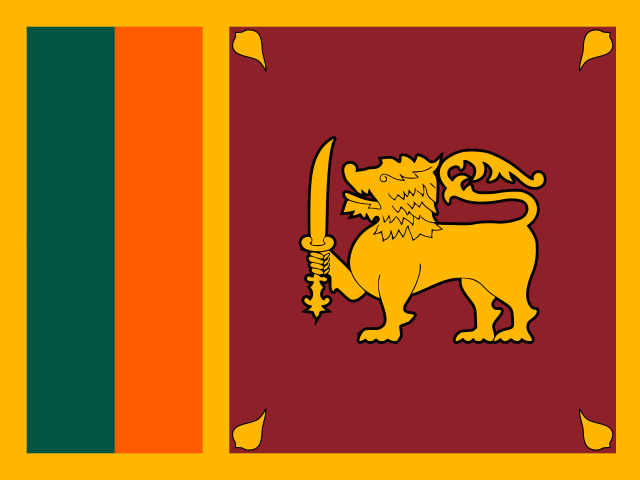 Sri Lanka
Sold as Ceylon tea. Gardens climb from the lowlands to over 2,000 m, and each district gives a different cup.
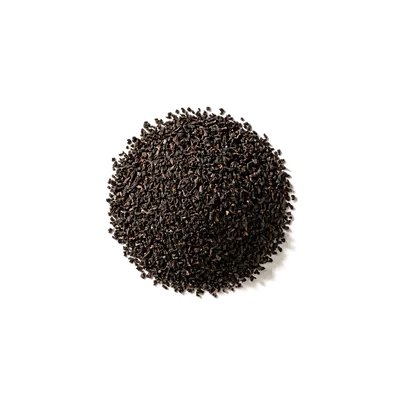 Ceylon UvaUva · BlackHarvest: All year, best July to September
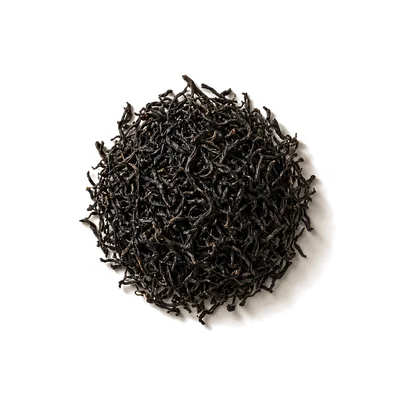 Ceylon DimbulaDimbula · BlackHarvest: All year, best January to March
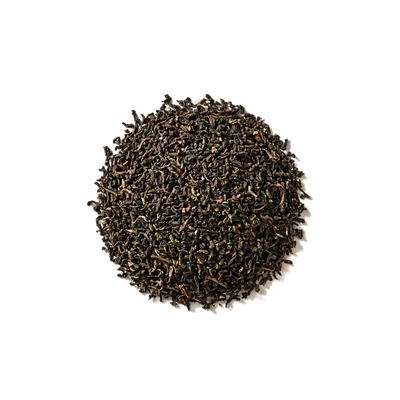 Ceylon Nuwara EliyaNuwara Eliya · BlackHarvest: All year, best January to March
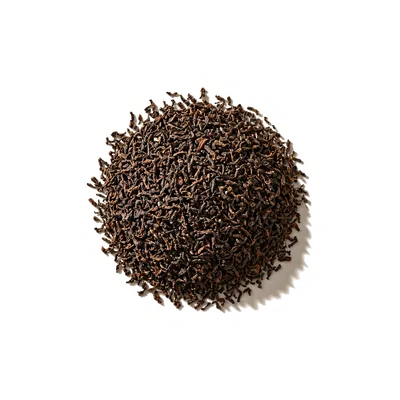 Ceylon KandyKandy · BlackHarvest: All year
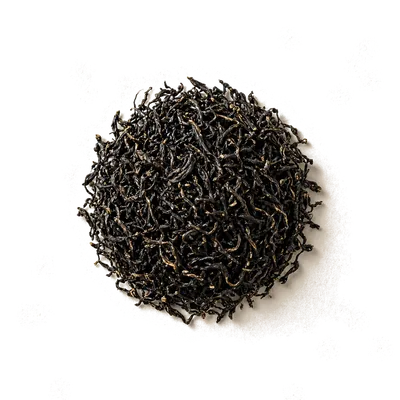 Ceylon Low-GrownGalle and Matara · BlackHarvest: All year
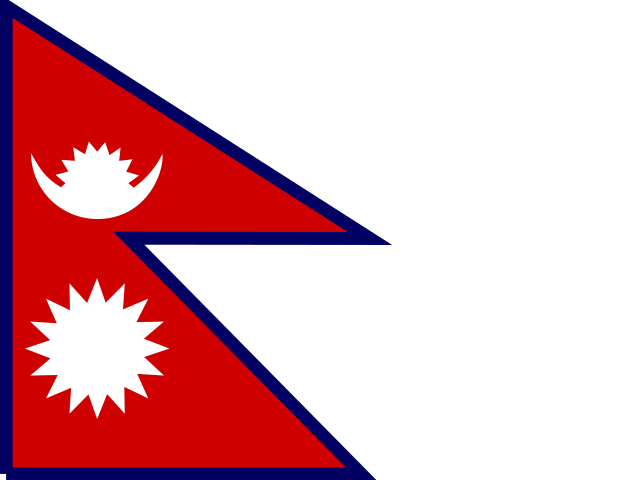 Nepal
Nepal's orthodox teas grow in the eastern hills next to Darjeeling, at similar heights and in similar weather.
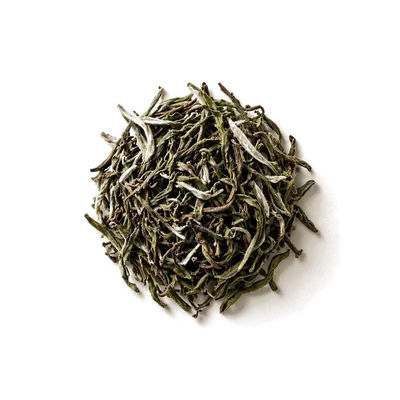 Nepal IlamIlam · BlackHarvest: March to November, in flushes
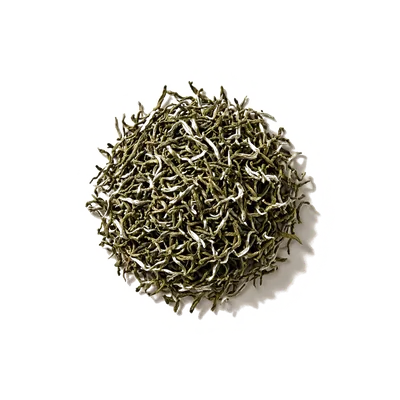 Nepal First FlushIlam · BlackHarvest: Late March to April
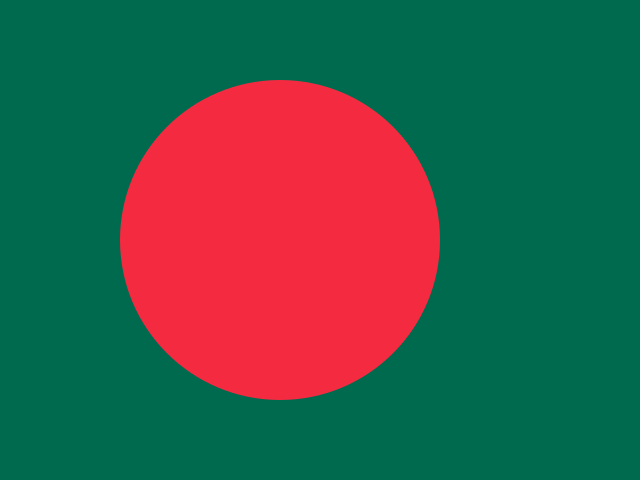 Bangladesh
 has 166 tea estates and was the world's 9th largest producer in 2019. The Surma valley around Sylhet is the centre of tea growing, and Sreemangal is called the country's tea capital.
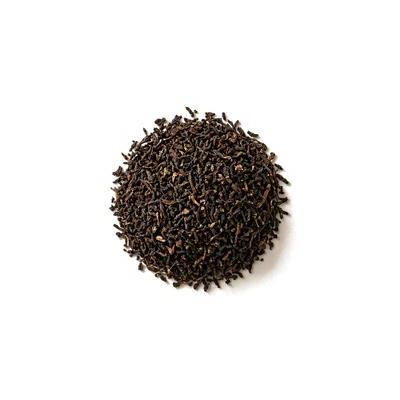 Sylhet BlackSylhet · BlackHarvest: Mainly the rainy season
Black Sea & Caspian
Turkey, Georgia, Iran, Azerbaijan · 9 teas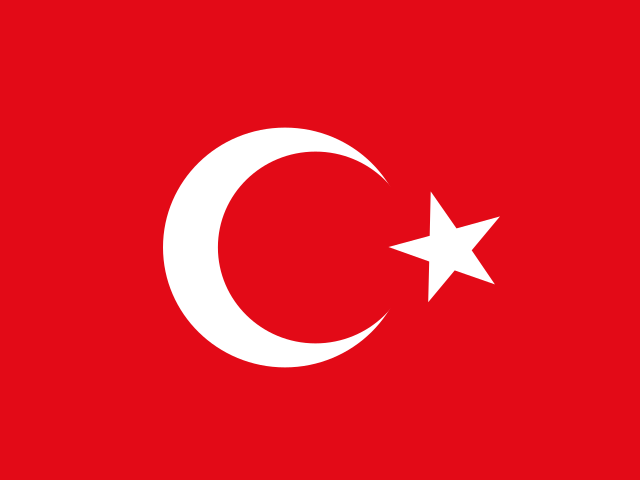 Turkey
 drinks more tea per person than almost any country. The tea grows along the rainy eastern Black Sea coast around Rize.
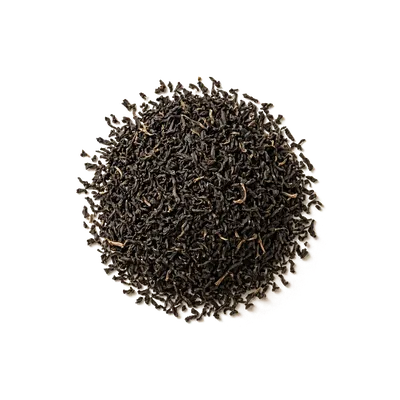 Rize ÇayRize · BlackHarvest: May to October
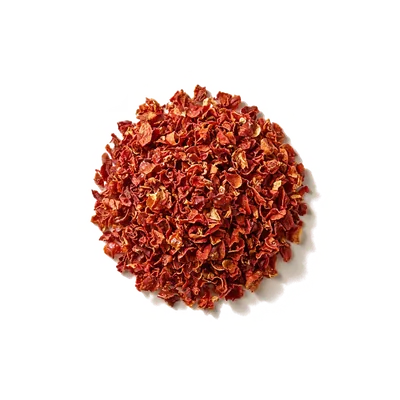 Rose Hip TeaCentral Anatolia · HerbalHarvest: Autumn
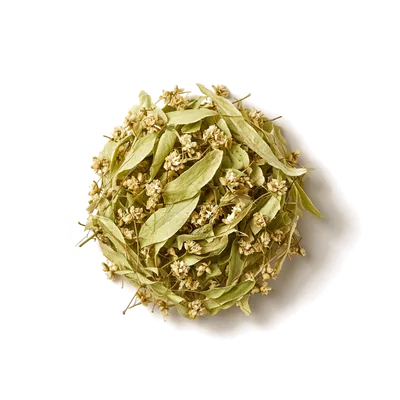 Linden FlowerVarious regions · HerbalHarvest: Early summer
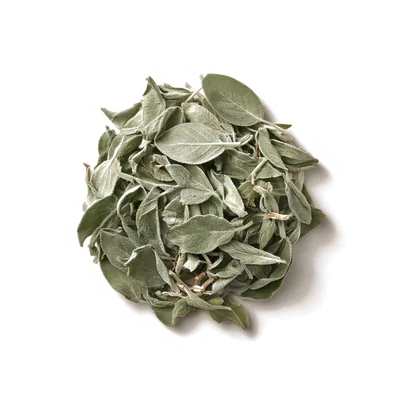 Sage Tea (Ada Çayı)Mediterranean coast · HerbalHarvest: Spring to summer
 Georgia
 was a major tea producer in Soviet times. Today small farms are reviving orthodox black and green teas in the west of the country.
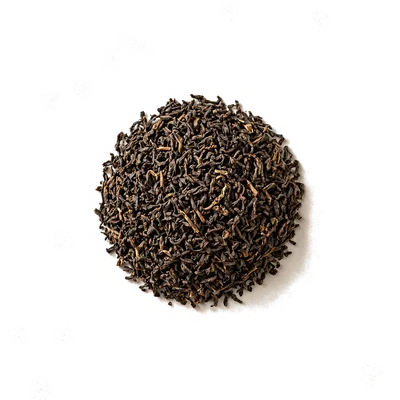 Georgian BlackGuria · BlackHarvest: May to September
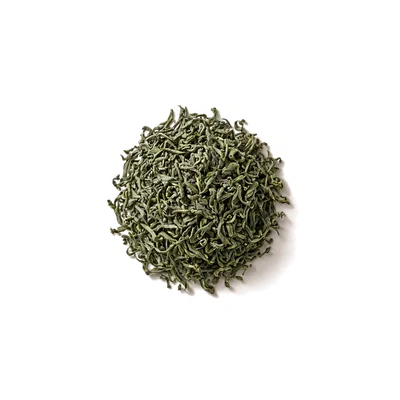 Georgian GreenAdjara (Chakvi) · GreenHarvest: Spring to summer
 Iran
Tea growing in Iran began in 1899, when Kashef as-Saltaneh planted tea he had brought from India in Lahijan, in Gilan near the Caspian Sea. Iran's tea is an orthodox black tea with a reddish colour, and Iran is also a home of lemon balm.
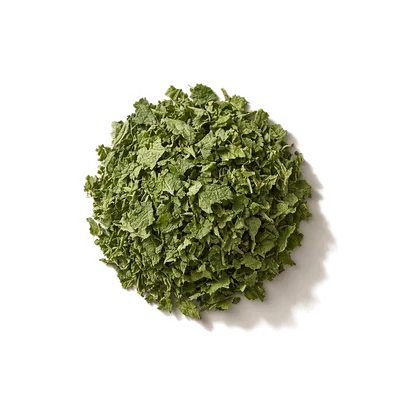 Lemon Balm TeaVarious regions · HerbalHarvest: Summer
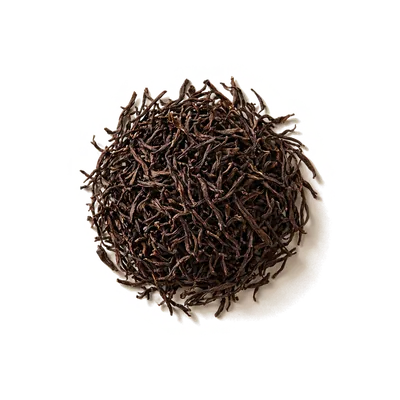 Lahijan BlackLahijan · BlackHarvest: Spring to autumn
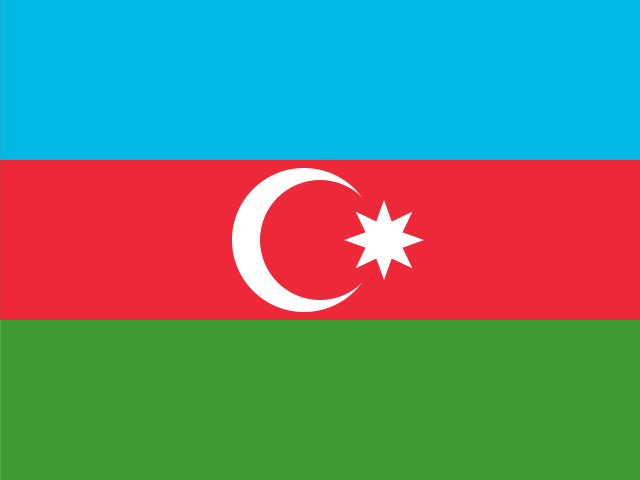 Azerbaijan
Tea was first grown on Azerbaijan's Caspian coast in the 1880s, and around 90% of the country's tea now comes from Lankaran, near the border with Iran. It is often drunk from a pear-shaped armudu glass.
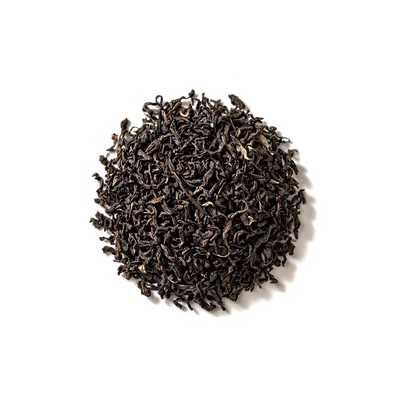 Lankaran BlackLankaran · BlackHarvest: Spring to autumn
Europe
United Kingdom, Portugal · 5 teas United Kingdom
The United Kingdom is known for drinking tea rather than growing it. The first locally grown tea was harvested in Cornwall in 2005.
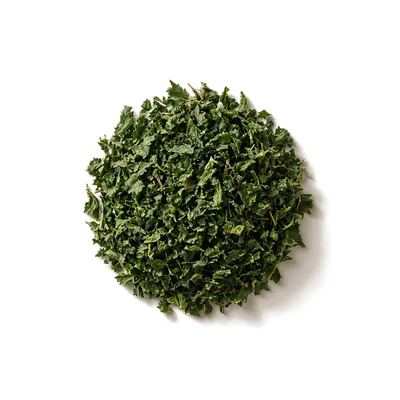 Nettle TeaVarious regions · HerbalHarvest: Spring and summer
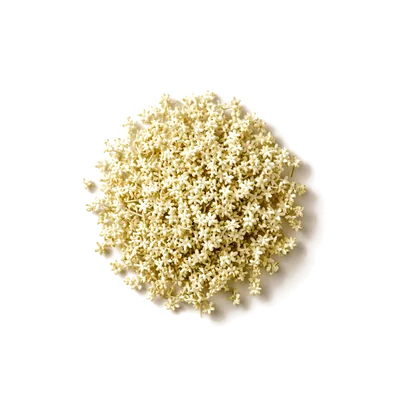 Elderflower TeaVarious regions · HerbalHarvest: Late May to July
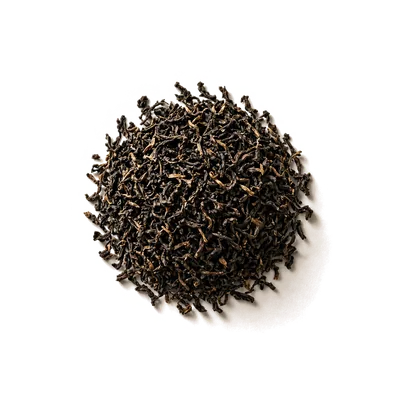 Cornish TeaCornwall · BlackHarvest: Spring to autumn
 Portugal
Tea came to São Miguel in the Azores after blight wiped out the island's orange groves in the 19th century. It has the oldest surviving tea plantation in Europe.
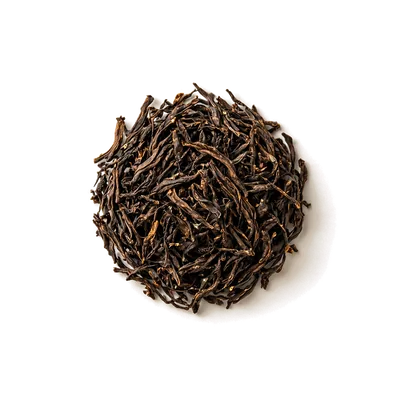 Azores TeaSão Miguel · BlackHarvest: April to September
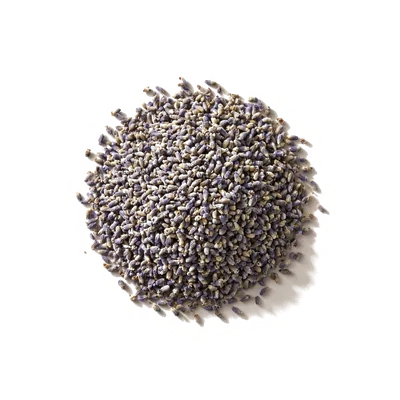 Lavender TeaVarious regions · HerbalHarvest: Summer flowering
Africa
Kenya, South Africa, Egypt, Ethiopia, Malawi, Rwanda, Sudan, Tanzania, Uganda · 11 teas Kenya
One of the world's largest tea exporters. Most Kenyan tea is CTC black tea grown on the high slopes either side of the Rift Valley, a key part of British breakfast blends.
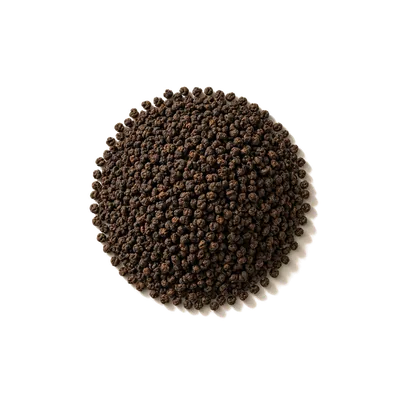 Kenya BlackKericho · BlackHarvest: All year
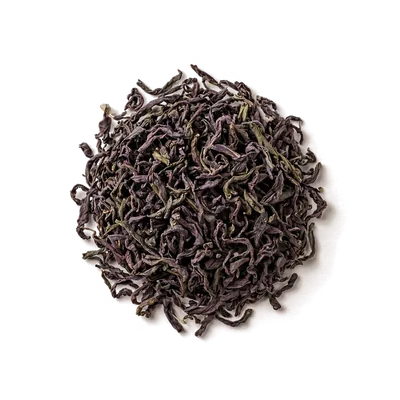 Kenyan Purple TeaKericho · GreenHarvest: All year
 South Africa
Home of rooibos and honeybush, two caffeine-free tisanes from the fynbos of the southern Cape.
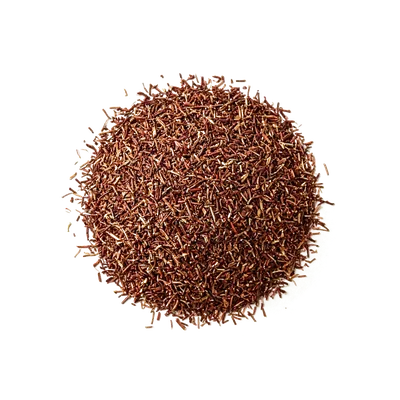 RooibosCederberg · HerbalHarvest: January to April (summer to autumn)
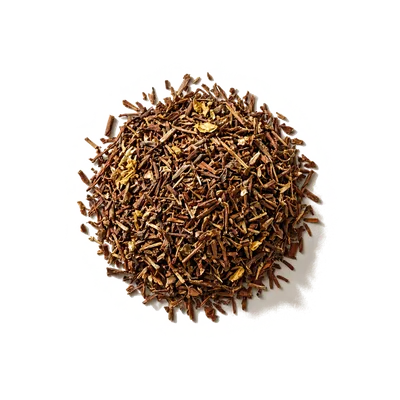 HoneybushEastern Cape · HerbalHarvest: Summer and autumn
 Egypt
In Egypt, karkadé, a hibiscus drink, is popular and often served warm. Chamomile is grown in the Nile valley.
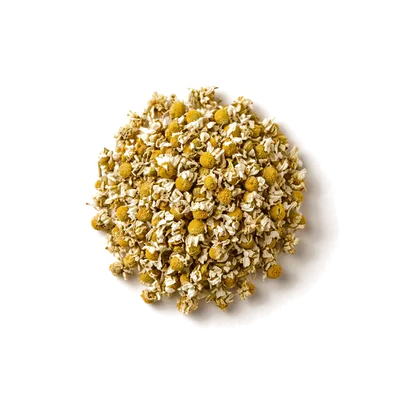 ChamomileNile farmland · HerbalHarvest: Late winter and spring flowering
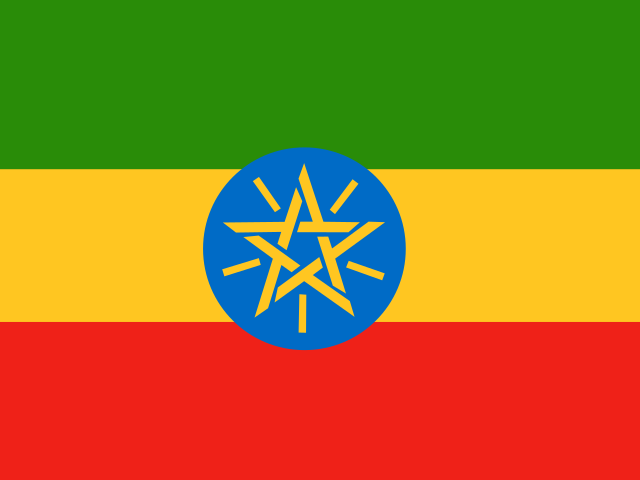 Ethiopia
, with Yemen, is the original home of drinks made from the dried skins of the coffee fruit, known there as hashara and qishr. Today the same infusion is sold worldwide as cascara.
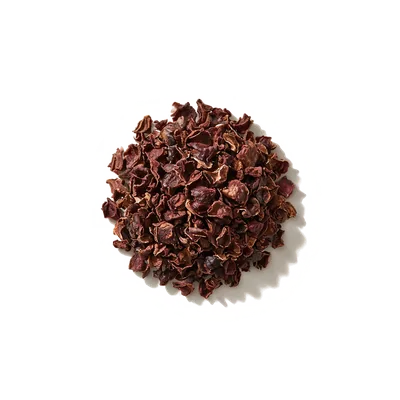 Cascara (Coffee Cherry Tea)Various regions · HerbalHarvest: Coffee harvest
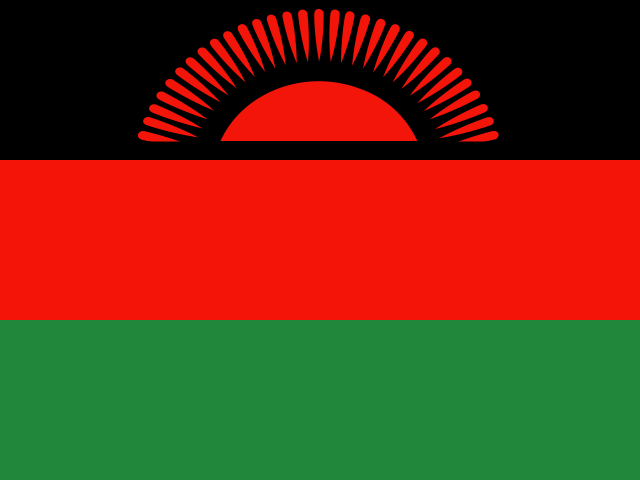 Malawi
Tea was first planted commercially in Malawi's Shire Highlands in 1905. Until the mid-1960s the country had the largest area of tea in Africa, and the town of Mulanje is still the centre of the industry.
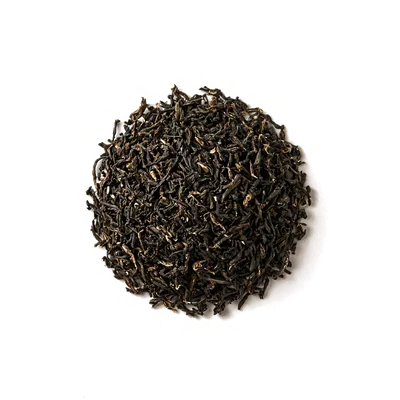 Malawi Black (Mulanje)Mulanje · BlackHarvest: Mainly rainy season
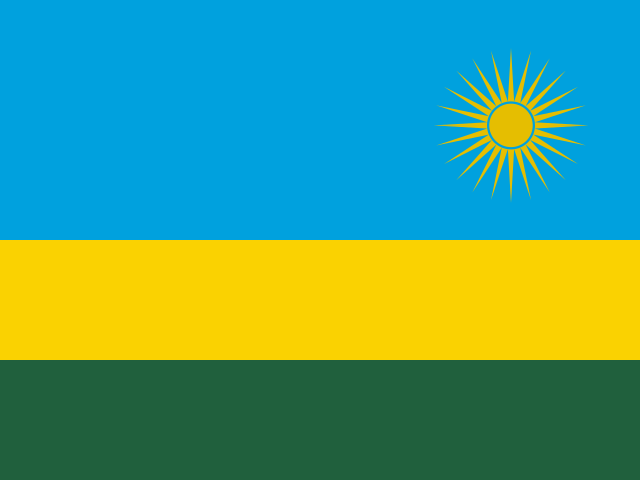 Rwanda
High altitudes, steep slopes and volcanic soils suit tea in Rwanda. By 2002 tea had become the country's largest export.
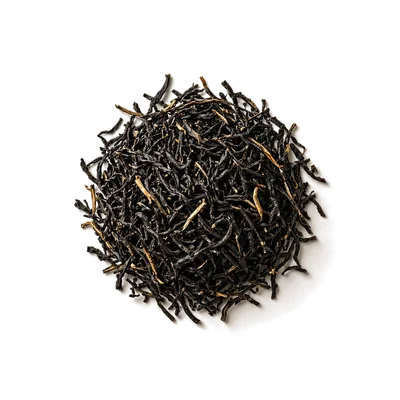 Rwanda BlackWestern highlands · BlackHarvest: All year
 Sudan
The roselle hibiscus used for karkadé was domesticated in Africa, especially western Sudan.
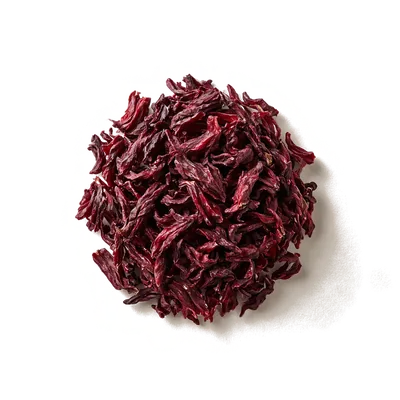 Hibiscus (Karkadé)Western Sudan · HerbalHarvest: Autumn to winter
 Tanzania
In north-east Tanzania, German colonists brought tea to the Usambara Mountains in the late 19th century, and local tea estates still manage part of the forest of the Amani Nature Reserve.
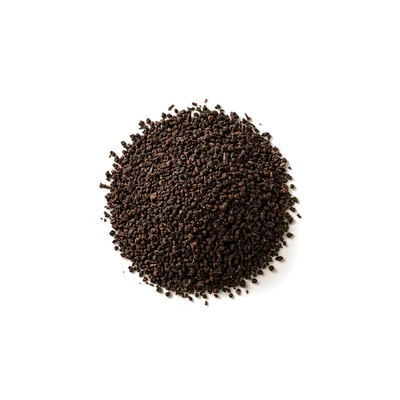 Usambara BlackEast Usambara · BlackHarvest: Mainly rainy seasons
 Uganda
's climate and soils suit tea. Production almost stopped in the 1970s, then recovered in the 1980s, and about 90% of the crop is exported.
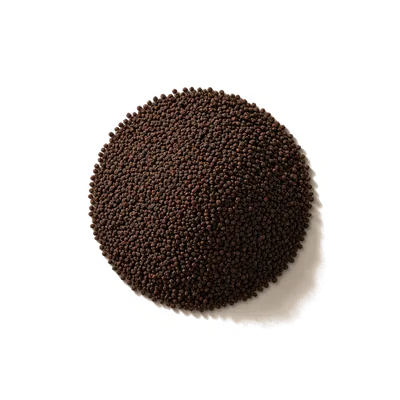 Uganda BlackVarious regions · BlackHarvest: Mainly rainy seasons
Americas
Argentina, Ecuador, Peru, United States · 4 teas Argentina
Yerba mate grows in north-east Argentina, where Jesuits set up the first plantations in Misiones in the 17th century.
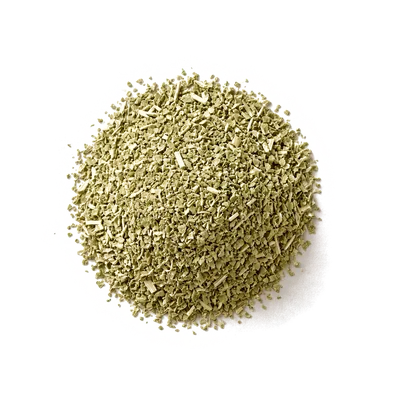 Yerba MateMisiones · HerbalHarvest: Autumn to winter
 Ecuador
Guayusa, a caffeinated holly, is grown mainly in Ecuador's Amazon provinces of Napo and Pastaza.
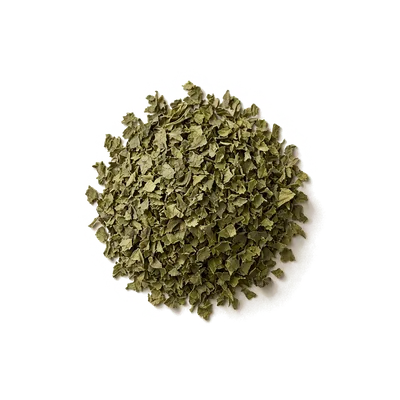 GuayusaNapo · HerbalHarvest: Year-round
 Peru
Lemon verbena, a lemon-scented shrub, is native to South America.
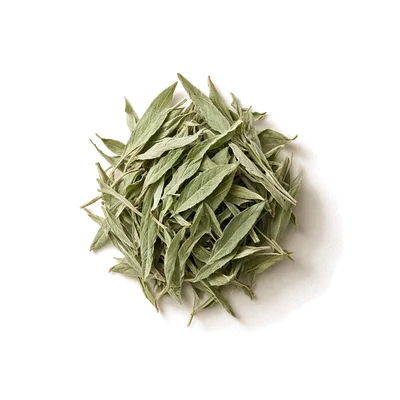 Lemon VerbenaVarious regions · HerbalHarvest: Summer
 United States
Oregon and Washington grow most of America's peppermint, mostly processed for its oil.
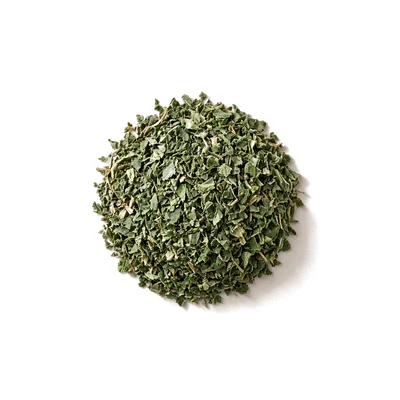 PeppermintPacific Northwest · HerbalHarvest: Summer