
 Green tea · Purple leaf
Kenyan Purple Tea
Purple tea
6.2/10 editor's score
A tea from Kenya whose leaves are naturally purple, from anthocyanins. Made to order by major producers and sold as its own type, purple tea. We list it with green teas for brewing.
Based on published sources, not yet tasted.
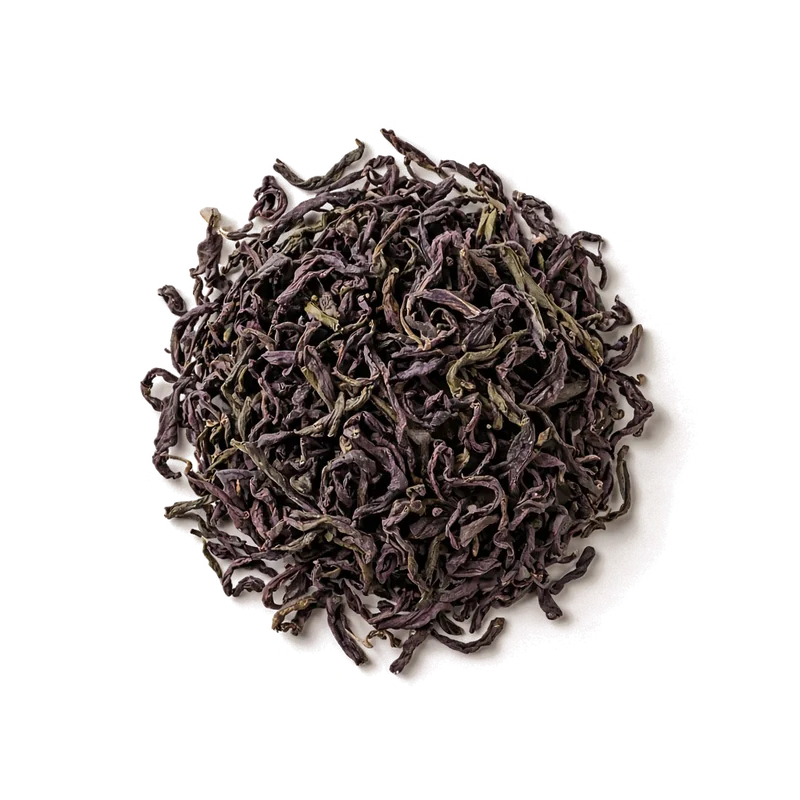
What you need
At a glance
A tea from Kenya whose leaves are naturally purple, from anthocyanins.
About Kenyan Purple Tea
What sources say about the taste
Sources describe its colour and origin, not a single taste; styles vary 1.
First sip
Lift the cup and smell before you drink.
Middle
Let it sit on the tongue for a moment.
Finish
What stays after you swallow.
Notes and intensities are an editor's summary of published tasting notes, not our own tasting.
Editor's score
Weighted across six criteria: flavour 30%, heritage 20%, availability 15%, value 15%, beginners 10%, versatility 10%.
Based on published sources, not yet tasted. Rates the tea style, not a brand. How we score →
Taste profile and caffeine+
Profile is an editor's summary of published tasting notes, not a lab measurement or our own tasting.
Caffeine
Our estimate. Per 8 fl oz (240 ml) cup. Coffee and tea averages from Mayo ClinicC.
Harvest calendar+
Equatorial highlands give year-round picking. Tap a month or a season.
Cultivars and plant+
Camellia sinensis with leaves naturally coloured by anthocyanins 1.
How it is made+
Dry leaf and liquor+
The colour swatch is an approximate guide, not a photograph.
Food pairings and storage+
Works well
- Fruit
- Light snacks
- Nuts
Best avoided
- Heavy spice
Pairings are general suggestions from the tea's style, not tested matches.
Storage
- Airtight, opaque container, away from light, heat and smells.
- Green tea fades fastest: aim to finish it within 3 to 6 months of opening.
- Unopened sealed packs can go in the fridge. Let them reach room temperature before opening.
Grades and fakes+
FAQ+
Why is it purple?
The leaves are naturally coloured by anthocyanins 1.
Sources
- Wikipedia, "Tea production in Kenya". en.wikipedia.org/wiki/Tea_production_in_Kenya
- Mayo Clinic, "Caffeine content for coffee, tea, soda and more". www.mayoclinic.org/healthy-lifestyle/nutrition-and-healthy-eating/in-depth/caffeine/art-20049372
Scores and content updated 30 Oct 2026.