
 Green tea · Volcanic island tea
Jeju Green
Jeju nokcha, 제주 녹차
6.9/10 editor's score
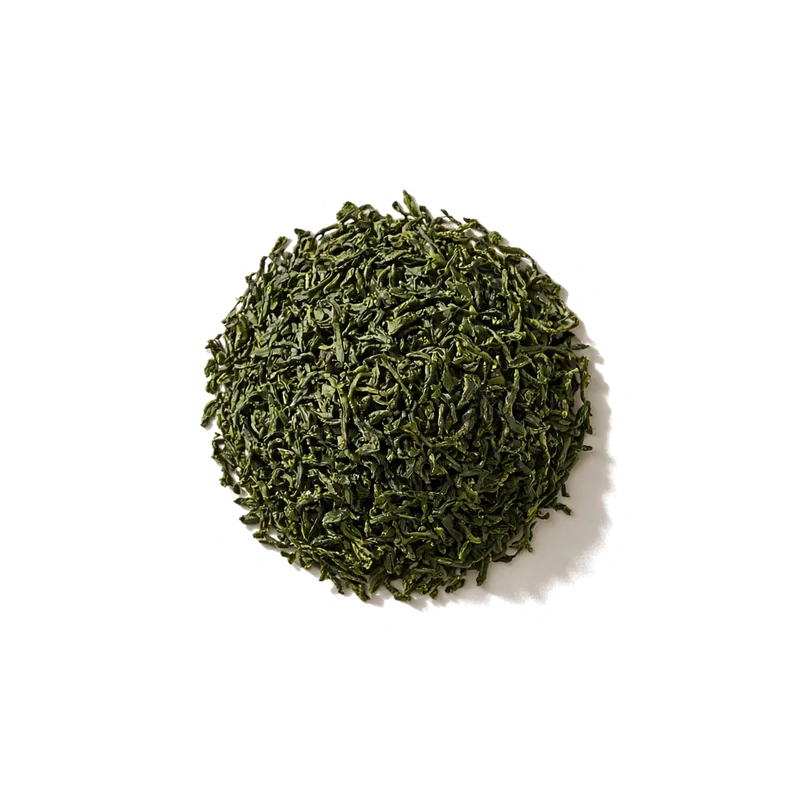
Green tea from Jeju, one of the warm southern regions of Korea famous for high-quality tea leaves. Large tea fields were planted on the island from 1979.
Based on published sources, not yet tasted.
What you need
At a glance
Green tea from Jeju, one of the warm southern regions of Korea famous for high-quality tea leaves.
About Jeju Green
What sources say about the taste
Sources describe where and how it grows; the taste depends on the picking.
First sip
Lift the cup and smell before you drink.
Middle
Let it sit on the tongue for a moment.
Finish
What stays after you swallow.
Notes and intensities are an editor's summary of published tasting notes, not our own tasting.
Where it grows
- Known for
- High-quality tea leaves 1
- Soil
- Mainly volcanic ash 2
- Fields
- Planted from 1979 2
- Climate
- Humid subtropical 2
More from Jeju Island and South Korea.
Editor's score
Weighted across six criteria: flavour 30%, heritage 20%, availability 15%, value 15%, beginners 10%, versatility 10%.
Based on published sources, not yet tasted. Rates the tea style, not a brand. How we score →
Taste profile and caffeine+
Profile is an editor's summary of published tasting notes, not a lab measurement or our own tasting.
Caffeine
Our estimate. Per 8 fl oz (240 ml) cup. Coffee and tea averages from Mayo ClinicC.
Harvest calendar+
Our general guide for Korean green tea. Tap a month or a season.
Cultivars and plant+
Camellia sinensis grown on volcanic ash soils 2.
How it is made+
Dry leaf and liquor+
The colour swatch is an approximate guide, not a photograph.
Food pairings and storage+
Works well
- Rice cakes
- Light fish
- Tofu
Best avoided
- Heavy spice
Pairings are general suggestions from the tea's style, not tested matches.
Storage
- Airtight, opaque container, away from light, heat and smells.
- Green tea fades fastest: aim to finish it within 3 to 6 months of opening.
- Unopened sealed packs can go in the fridge. Let them reach room temperature before opening.
Grades and fakes+
Graded by picking date.
How to spot a poor or fake one
- Earlier pickings are more prized.
- Look for Jeju origin.
FAQ+
Why does tea grow well on Jeju?
Sources point to volcanic ash soils that hold moisture well and a humid subtropical climate 2.
Sources
- Wikipedia, "Korean tea". en.wikipedia.org/wiki/Korean_tea
- Wikipedia, "O'Sulloc Tea". en.wikipedia.org/wiki/O%27Sulloc_Tea
- Mayo Clinic, "Caffeine content for coffee, tea, soda and more". www.mayoclinic.org/healthy-lifestyle/nutrition-and-healthy-eating/in-depth/caffeine/art-20049372
Scores and content updated 30 Oct 2026.