
 Oolong tea · Rock tea
Da Hong Pao
大红袍, Big Red Robe
8.5/10 editor's score
The most famous "rock tea" from the Wuyi Mountains of northern Fujian: a strongly oxidised, charcoal-roasted oolong with a deep mineral character.
Based on published sources, not yet tasted.
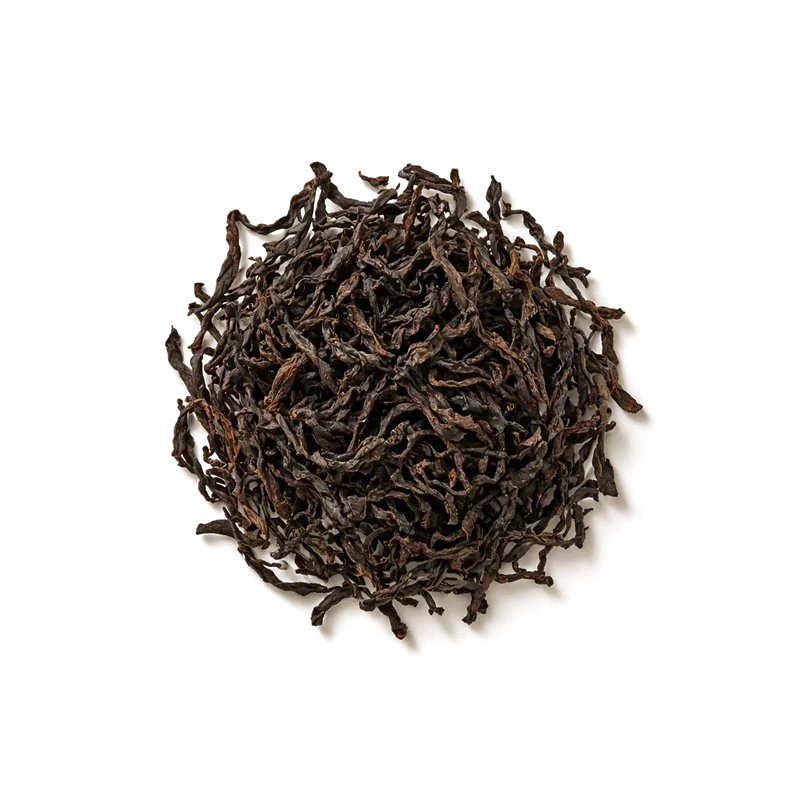
What you need
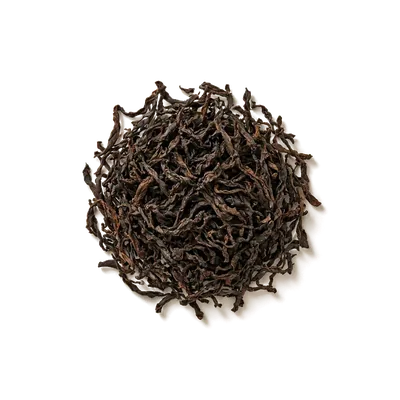
At a glance
The most famous "rock tea" from the Wuyi Mountains of northern Fujian: a strongly oxidised, charcoal-roasted oolong with a deep mineral character.
About Da Hong Pao
What sources say about the taste
Sources describe a roasted, mineral cup, often with stone fruit, caramel and woody notes, and a long aftertaste called "yan yun", rock rhyme 1.
First sip
Lift the cup and smell before you drink.
Middle
Let it sit on the tongue for a moment.
Finish
What stays after you swallow.
Notes and intensities are an editor's summary of published tasting notes, not our own tasting.
Where it grows
- Region
- Wuyi Mountains, Fujian 1
- Heritage
- Mount Wuyi is a UNESCO World Heritage site 2
- Style
- Yancha, "rock tea" 1
- Mother trees
- A few old bushes on a cliff, no longer harvested 1
More from Wuyi Mountains and China.
History and culture
Legend says the tea cured a scholar or an empress in the Ming dynasty, and red robes were draped over the bushes in thanks, giving the name "Big Red Robe" 1.
The original mother bushes on Jiulongke cliff were last harvested in 2005 and are now protected. Today's Da Hong Pao comes from cuttings or blends 1.
Editor's score
Weighted across six criteria: flavour 30%, heritage 20%, availability 15%, value 15%, beginners 10%, versatility 10%.
Based on published sources, not yet tasted. Rates the tea style, not a brand. How we score →
Taste profile and caffeine+
Profile is an editor's summary of published tasting notes, not a lab measurement or our own tasting.
Caffeine
Our estimate. Roasting changes flavour more than caffeine. Per 8 fl oz (240 ml) cup. Coffee and tea averages from Mayo ClinicC.
Harvest calendar+
Wuyi rock teas are picked once in spring, then roasted over months. Tap a month or a season.
Cultivars and plant+
How it is made+
Mature leaves in spring.
In sun and indoors.
Bruising for oxidation.
Heat stops oxidation.
Twisted into long strips.
Slow roasting over weeks or months.
Dry leaf and liquor+
The colour swatch is an approximate guide, not a photograph.
Food pairings and storage+
Works well
- Roast duck and pork
- Dark chocolate
- Nuts and dried fruit
Best avoided
- Delicate salads
Pairings are general suggestions from the tea's style, not tested matches.
Storage
- Airtight, opaque tin or pouch, away from light, heat, moisture and strong smells.
- Keep it out of the fridge unless fully sealed, to avoid condensation.
- Most loose tea is at its best within a year. Note the harvest date on the tin.
Grades and fakes+
Price follows growing area (core "zhengyan" vs outside), the bushes used and the roast. There is no one grade scale.
How to spot a poor or fake one
- Ask where in Wuyi it grew.
- Over-roasted tea can taste burnt and hide poor leaf.
- Mother-tree tea is not for sale.
FAQ+
Is the mother-tree tea for sale?
No. The original bushes have not been harvested since 2005.
What is "rock tea"?
Oolong from the Wuyi Mountains, where bushes grow among rocky cliffs.
Sources
- Wikipedia, "Da Hong Pao". en.wikipedia.org/wiki/Da_Hong_Pao
- UNESCO, "Mount Wuyi". whc.unesco.org/en/list/911/
- Mayo Clinic, "Caffeine content for coffee, tea, soda and more". www.mayoclinic.org/healthy-lifestyle/nutrition-and-healthy-eating/in-depth/caffeine/art-20049372
Scores and content updated 30 Oct 2026.