
 Oolong tea · Rolled oolong
Tieguanyin
铁观音, Iron Goddess of Mercy
8.7/10 editor's score
The best-known oolong from Anxi in southern Fujian. Rolled into tight balls, it ranges from fresh and floral modern styles to darker, roasted traditional ones.
Based on published sources, not yet tasted.
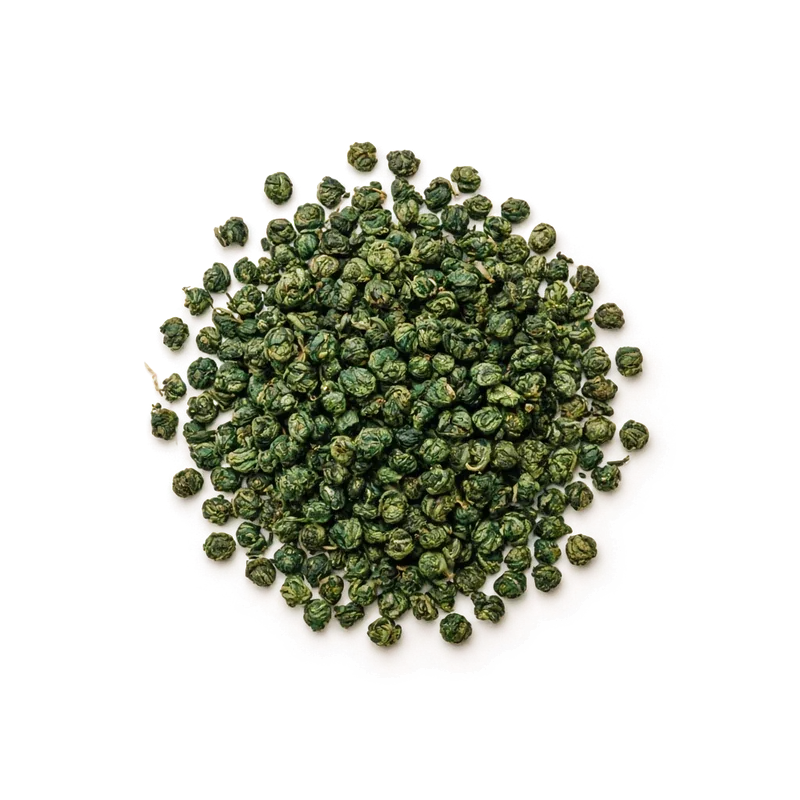
What you need
At a glance
The best-known oolong from Anxi in southern Fujian.
About Tieguanyin
What sources say about the taste
Light modern Tieguanyin is described as intensely floral with a creamy body, while traditional roasted versions show toasted, fruity and caramel notes. A lingering sweet aftertaste, called "yun", is prized 1.
First sip
Lift the cup and smell before you drink.
Middle
Let it sit on the tongue for a moment.
Finish
What stays after you swallow.
Notes and intensities are an editor's summary of published tasting notes, not our own tasting.
Where it grows
History and culture
Two legends explain the name. In one, a poor farmer named Wei looked after a temple of Guanyin and was led in a dream to the tea bush. In the other, a scholar named Wang found the plant and presented it to the Qianlong Emperor 1.
Tieguanyin was traditionally roasted. From the 1990s a lighter, greener style became popular 1.
Editor's score
Weighted across six criteria: flavour 30%, heritage 20%, availability 15%, value 15%, beginners 10%, versatility 10%.
Based on published sources, not yet tasted. Rates the tea style, not a brand. How we score →
Taste profile and caffeine+
Profile is an editor's summary of published tasting notes, not a lab measurement or our own tasting.
Caffeine
Our estimate for a Western cup. Per 8 fl oz (240 ml) cup. Coffee and tea averages from Mayo ClinicC.
Harvest calendar+
Tieguanyin is picked mainly in spring and autumn. Tap a month or a season.
Cultivars and plant+
How it is made+
Dry leaf and liquor+
The colour swatch is an approximate guide, not a photograph.
Food pairings and storage+
Works well
- Dim sum
- Steamed seafood
- Light pastries
- Fresh fruit
Best avoided
- Very spicy dishes
Pairings are general suggestions from the tea's style, not tested matches.
Storage
- Airtight, opaque tin or pouch, away from light, heat, moisture and strong smells.
- Keep it out of the fridge unless fully sealed, to avoid condensation.
- Most loose tea is at its best within a year. Note the harvest date on the tin.
Grades and fakes+
There is no single grade system. Sellers use terms such as "special grade". Style (light, traditional) and season matter more.
How to spot a poor or fake one
- Ask whether it is the true Tieguanyin cultivar.
- Very green, heavily fragrant cheap teas may be scented or poorly made.
- Check the harvest season and year.
FAQ+
Is Tieguanyin green or oolong?
It is an oolong. The light style can look very green, but it is partly oxidised.
How many times can I steep it?
Gongfu style, often six to eight times or more.
Sources
- Wikipedia, "Tieguanyin". en.wikipedia.org/wiki/Tieguanyin
- Wikipedia, "Oolong". en.wikipedia.org/wiki/Oolong
- Mayo Clinic, "Caffeine content for coffee, tea, soda and more". www.mayoclinic.org/healthy-lifestyle/nutrition-and-healthy-eating/in-depth/caffeine/art-20049372
Scores and content updated 30 Oct 2026.