
Longjing (Dragon Well) vs Bi Luo Chun
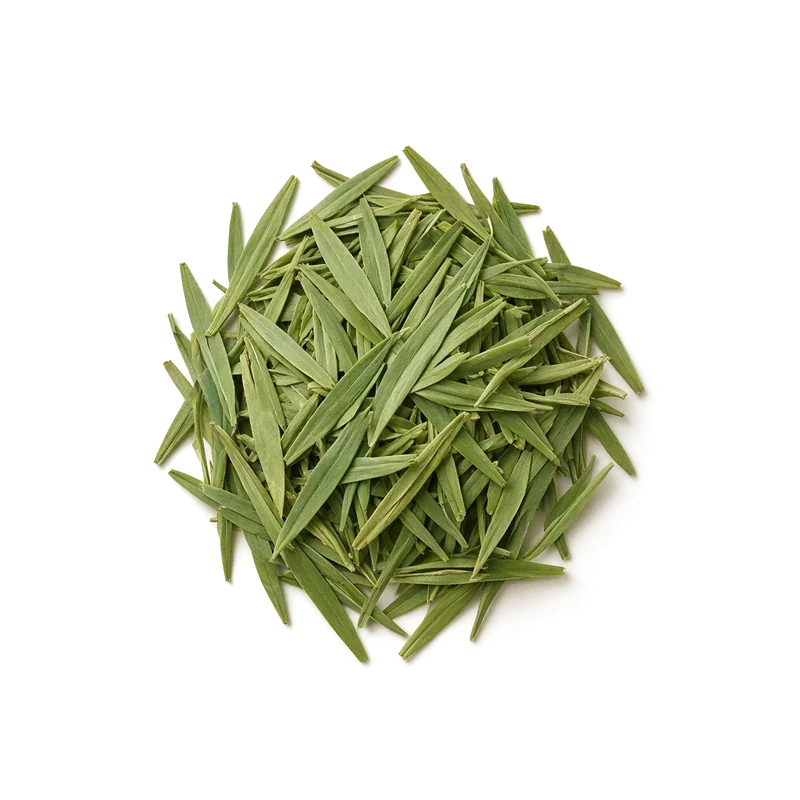
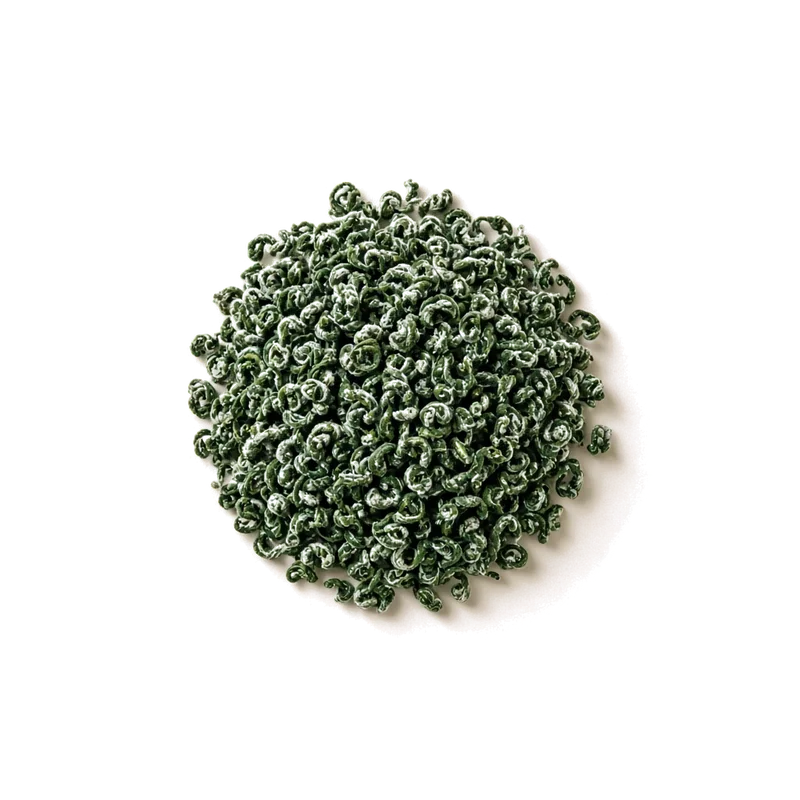
Two famous early-spring Chinese greens, grown not far from each other in the east of the country, and finished in opposite ways. One is pressed flat. The other is rolled into a spiral.
Where they diverge
Pressed flat
Longjing is pressed against the side of a hot wok while it dries, which is why the leaves look like little swords. Published notes start with roasted chestnut, then sweet pea.
Rolled into spirals
Bi Luo Chun is rolled into tiny, downy spirals after the kill-green step. The name means "green snail spring", and the bushes grow in the Dongting hills by Lake Tai.
Water temperature
Longjing is usually brewed around 80°C for 2 to 3 minutes. Bi Luo Chun likes slightly cooler water, 70 to 80°C, and a gentle pour so the spirals are not flattened.
The wok, and the chestnut
Longjing, or Dragon Well, comes from the hills around West Lake in Hangzhou. The leaves are pressed flat in a hot wok, which is why they look like little swords and why published notes start with roasted chestnut, then sweet pea. The lots people pay for are picked before Qingming, in late March or early April. Water around 80°C for 2 to 3 minutes is the usual advice, and a tall glass works well. Boiling water scorches it. The name is used all over Zhejiang; Xi Hu, or West Lake, is the protected origin.
The spiral, and the down
Bi Luo Chun is grown in the Dongting hills by Lake Tai, near Suzhou. The name means "green snail spring". The leaf is rolled into tiny, downy spirals, and the cup is described as fruity and floral, softer and more delicate than Longjing, with less of that wok toast. It likes slightly cooler water, 70 to 80°C, and a gentle pour: some people put the water in first, then the leaf, so the spirals are not flattened.
They share a season and a country, not a flavour. If a pack of "Longjing" smells of flowers and has no flat leaf, you may not have Longjing. If your Bi Luo Chun looks like smooth swords, someone has mixed the names.
Harvest months
FAQ
Why is one flat and the other spiralled?
Longjing is pressed against the side of a hot wok while it dries. Bi Luo Chun is rolled into spirals after the kill-green step. The shapes are the process, not a garnish.
Is all Longjing from West Lake?
No. The name is used widely across Zhejiang. Xi Hu Longjing, from the West Lake hills, is the protected origin. If the pack does not say West Lake or Xi Hu, treat it as a broader Zhejiang tea.
Which one wants cooler water?
Both hate a rolling boil. Bi Luo Chun is usually started a little cooler, 70 to 80°C. Longjing is typically around 80°C, still well below boiling.
Or put any two teas side by side in the compare tool.